${part1}
When it comes to selecting countertops for your kitchen or bathroom, two materials often stand out for their durability, beauty, and functionality: quartz and granite. Both offer unique advantages and come with their own set of challenges. This article explores the intricate details of these two popular choices to help you make an informed decision.

The Aesthetics of Quartz and Granite
Quartz: Quartz countertops, manufactured by combining 90% quartz powder with resin, offer an unparalleled level of uniformity and design flexibility. Their sleek, modern appearance can mimic the look of almost any natural stone, including marble, slate, and even wood. Quartz surfaces are known for their vibrant colors and intricate patterns, which are achieved through advanced digital imaging technology. These countertops come in a wide range of finishes, allowing homeowners to choose the perfect look for their space.
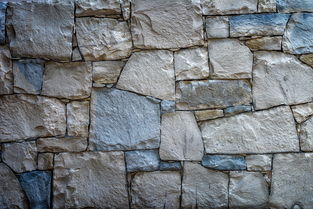
Granite: Granite, on the other hand, is a natural stone that has been used for centuries in construction and interior design. It boasts a rich, earthy aesthetic that is often associated with luxury and elegance. Granite countertops come in a variety of colors and patterns, each with its unique character. The natural veins and variations in granite provide a distinctive look that is both timeless and unique. While granite can be polished to a high shine, its natural appearance often includes a rustic charm that many find appealing.
Durability and Maintenance
Quartz: One of quartz’s standout features is its incredible durability. Made from a composite material, quartz is 100% solid surface and does not contain any water or air pockets, making it highly resistant to scratches, stains, and heat. This material is also resistant to bacterial growth, making it an excellent choice for kitchens and bathrooms where hygiene is paramount. However, while quartz is highly durable, it is not indestructible. Extreme impacts, such as those from heavy objects falling onto the surface, can cause chips or cracks. Regular cleaning with mild soap and water will keep quartz countertops looking their best.
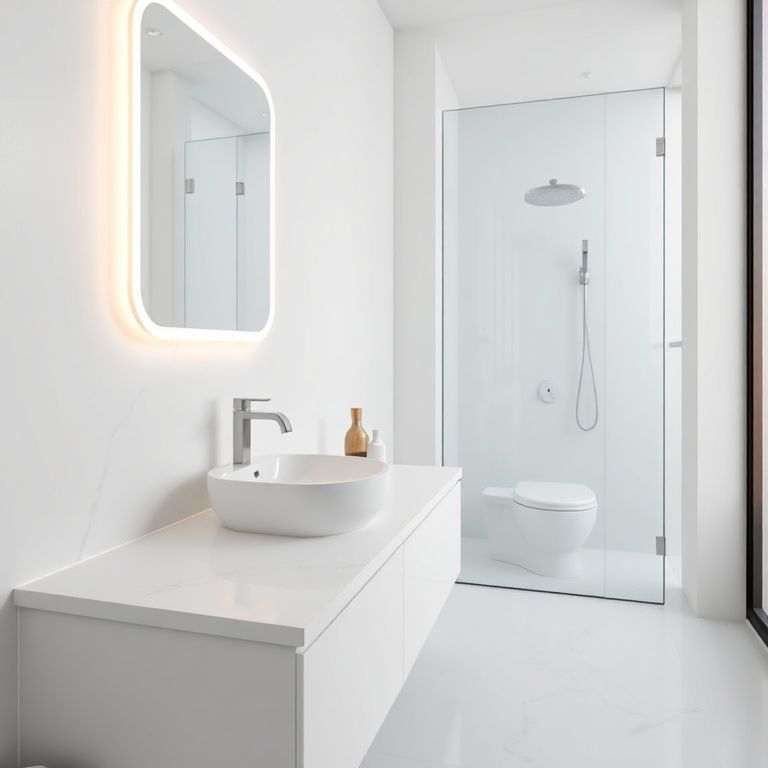
Granite: Granite is renowned for its strength and durability. It is one of the hardest natural stones available, ranking an impressive 6-7 on the Mohs scale of mineral hardness. This makes granite highly resistant to scratches and dents, although it can be prone to staining if not properly maintained. Granite countertops require regular sealing to maintain their natural beauty and resist staining from food and drink spills. Over time, the sealer can wear off, necessitating re-sealing to ensure the countertop remains protected.
Affordability
Quartz: Quartz countertops are often seen as a more affordable alternative to natural stone options. The manufacturing process, which uses a resin binder, makes quartz more economical than many natural stones. Additionally, quartz’s uniformity and ability to mimic the look of more expensive materials can offer a luxurious appearance at a lower cost. This makes quartz an attractive option for homeowners looking for high-end aesthetics without the premium price tag.
Granite: Granite is generally more expensive than quartz due to its natural origin and the cost associated with mining and processing. However, the beauty and durability of granite often justify the higher price. There are various grades of granite available, ranging from budget to luxury, providing options that fit a range of budgets. Despite the higher upfront cost, many find that the longevity and maintenance benefits of granite make it a worthwhile investment.
Installation and Customization
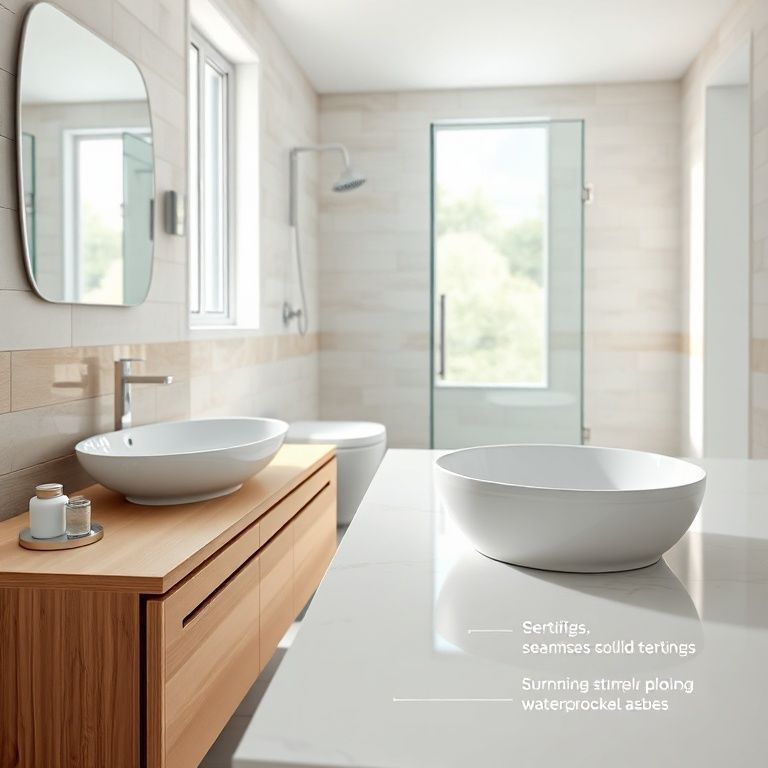
Quartz: Quartz countertops are relatively easy to install due to their solid surface nature. They can be cut to size on-site, allowing for custom shapes and designs that can perfectly fit any kitchen or bathroom layout. Installation typically involves a simple adhesive process, although professional installation is recommended to ensure a seamless fit. Quartz’s ability to mimic natural stone also allows for extensive customization, enabling designers to create unique and bespoke countertop designs.
Granite: Installing granite countertops involves more steps due to their natural stone nature. Granite slabs need to be cut to size before installation, which can be a complex process requiring specialized tools and expertise. Once cut, granite countertops are typically secured with a high-strength adhesive or screw-down clamps. While the installation process can be more labor-intensive, the result is often a stunning and durable countertop that enhances the aesthetic appeal of any space.
Environmental and Health Considerations
Quartz: Quartz countertops are made from natural quartz powder, resin, and other eco-friendly materials. The manufacturing process is designed to minimize environmental impact, making quartz a sustainable choice for environmentally conscious consumers. Additionally, quartz does not release harmful VOCs (volatile organic compounds) during its lifecycle, making it a healthier option for indoor air quality.
Granite: Granite is a natural stone that is sourced responsibly from quarries around the world. However, the extraction and processing of granite can have environmental impacts, including land disturbance and waste generation. It is important to choose granite from reputable suppliers who practice sustainable mining and processing. While granite does not emit harmful VOCs, its natural stone composition means that it may contain trace amounts of heavy metals, which should be considered when making an environmental impact assessment.
${part2}
Cost vs. Value
Quartz: The cost-effectiveness of quartz lies not only in its affordability but also in its long-term value. Despite being a composite material, quartz offers a high level of durability and resistance to everyday wear and tear, which can translate to lower maintenance costs over time. Additionally, the ability to customize designs and colors means that homeowners can often achieve a high-end look without breaking the bank. While the initial cost may be lower than some natural stone options, the longevity and low maintenance of quartz can provide significant savings over the life of the countertop.
Granite: Granite’s higher upfront cost is often justified by its durability and the value it adds to a home. Granite countertops are built to last, often lasting decades with proper maintenance. The timeless appeal and unique character of granite can also increase a home’s resale value. While the initial investment is higher, the durability and long-term benefits often make granite a cost-effective choice in the long run. For many, the added value and aesthetic appeal of granite outweigh the higher purchase price.
Safety and Heat Resistance
Quartz: One of the standout features of quartz countertops is their exceptional heat resistance. Because quartz is a solid surface material, it can withstand high temperatures without warping or cracking. This makes quartz an excellent choice for kitchens where hot pots and pans are common. Additionally, quartz is non-porous, meaning it does not absorb heat, which helps prevent hot spots and reduces the risk of burns.
Granite: Granite is also highly heat-resistant, able to withstand the intense heat generated by cooking. However, it is important to note that granite can develop hot spots if heated unevenly, potentially leading to burns. To prevent this, it is recommended to use trivets or heat-resistant pads when placing hot items on granite countertops. While granite’s heat resistance is a significant advantage, it is essential to use common sense and proper practices to ensure safety.
Stain and Scratch Resistance
Quartz: The composite nature of quartz gives it exceptional stain and scratch resistance. Its non-porous surface means that spills and stains do not penetrate, making it easy to clean with simple soap and water. This makes quartz an ideal choice for kitchens and bathrooms where spills are common. Additionally, because quartz is a solid surface, it does not scratch or chip, providing a long-lasting and virtually indestructible countertop.
Granite: Granite’s scratch resistance is excellent due to its hardness, but it is not immune to staining. While granite is relatively easy to clean, spills from acidic or alkaline substances can stain the stone. To prevent staining, it is essential to seal granite countertops regularly. The sealing process involves applying a protective layer that helps to repel stains and maintain the countertop’s appearance. Over time, the sealer may need to be reapplied to ensure continued protection.
Water and Spill Resistance
Quartz: One of the major advantages of quartz countertops is their complete water resistance. Because quartz is a solid surface material, it does not absorb water or moisture. This makes it highly resistant to water damage and ideal for both kitchen and bathroom use. Spills and splashes do not penetrate the surface, making quartz easy to clean and maintain.
Granite: Unlike quartz, granite is a natural stone that can absorb water and may develop stains if not properly sealed. To prevent water damage and staining, granite countertops must be sealed regularly. Even with proper sealing, granite is not as water-resistant as quartz, and it is essential to clean up spills promptly to avoid potential staining.
Environmental Impact and Sustainability
Quartz: Quartz countertops are manufactured using a combination of natural quartz powder and resin, making them a relatively sustainable option. The manufacturing process is designed to minimize environmental impact, and the use of eco-friendly materials further enhances their sustainability profile. Quartz’s ability to mimic natural stone without the environmental costs associated with mining makes it a responsible choice for environmentally conscious consumers.
Granite: Granite is a natural stone that is sourced from quarries around the world. While it offers a unique and durable product, its extraction and processing can have significantenvironmental impact. The mining process can lead to land disturbance, water pollution, and waste generation. However, many quarries practice sustainable mining techniques to minimize these effects. It is important to choose granite from suppliers who prioritize ethical and sustainable sourcing practices to reduce the environmental footprint of this natural material.
Customization and Design Flexibility
Quartz: Quartz countertops offer extensive customization and design flexibility. The material can be engineered to mimic the look of various natural stones, including marble, slate, and even wood. Designers can create unique patterns and colors through advanced digital imaging technology, allowing for highly personalized and bespoke countertop designs. The ability to cut quartz to custom shapes makes it an excellent choice for unique kitchen and bathroom layouts.
Granite: Granite also offers a range of design possibilities, but its natural stone composition means that customization is more limited compared to quartz. Granite slabs come in a variety of colors and patterns, each with its unique character. While it is possible to cut granite to custom shapes, the natural variations and veins can make achieving a perfectly uniform surface more challenging. However, the inherent beauty of granite’s natural patterns can add a unique and personalized touch to any space.
Installation and Professional Help
Quartz: The installation of quartz countertops is relatively straightforward due to its solid surface nature. It can be cut to size on-site, and the adhesive process is simple compared to natural stone options. While homeowners can install quartz countertops themselves with the right tools and guidance, professional installation is recommended to ensure a seamless and secure fit. Professional installers can also provide expert advice on design and customization options.
Granite: Installing granite countertops involves more steps and expertise due to its natural stone nature. Granite slabs need to be cut to size before installation, which can be a complex process requiring specialized tools and skills. Once cut, granite countertops are typically secured with a high-strength adhesive or screw-down clamps. Professional installation is highly recommended to ensure a secure and aesthetically pleasing fit. Professional installers can also offer valuable insights into the best practices for maintaining the beauty and longevity of granite countertops.
Longevity and Maintenance
Quartz: Quartz countertops are known for their longevity and low maintenance requirements. The composite nature of quartz makes it highly durable and resistant to scratches, stains, and heat. Regular cleaning with mild soap and water is sufficient to maintain the appearance of quartz countertops. Because quartz is not porous, it does not absorb stains or odors, making it an excellent choice for kitchens and bathrooms where hygiene is a priority.
Granite: Granite countertops are also durable and long-lasting, but they require more maintenance to maintain their beauty and resist staining. Regular sealing is essential to protect granite from stains caused by acidic or alkaline substances. The sealing process involves applying a protective layer that helps to repel stains and maintain the countertop’s appearance. Over time, the sealer may need to be reapplied to ensure continued protection. Proper cleaning and prompt stain treatment are also crucial for preserving the look of granite countertops.
Conclusion
When choosing between quartz and granite countertops, it’s important to consider your specific needs, preferences, and budget. Quartz offers unparalleled durability, design flexibility, and low maintenance, making it an excellent choice for those looking for a high-end appearance at a more affordable price. Granite, with its natural beauty and timeless appeal, is ideal for those who value the unique character and durability of a natural stone, despite the higher cost and maintenance requirements.
Ultimately, both materials offer unique benefits that can enhance the beauty and functionality of your kitchen or bathroom. By understanding the pros and cons of each, you can make an informed decision that best suits your lifestyle and design vision.