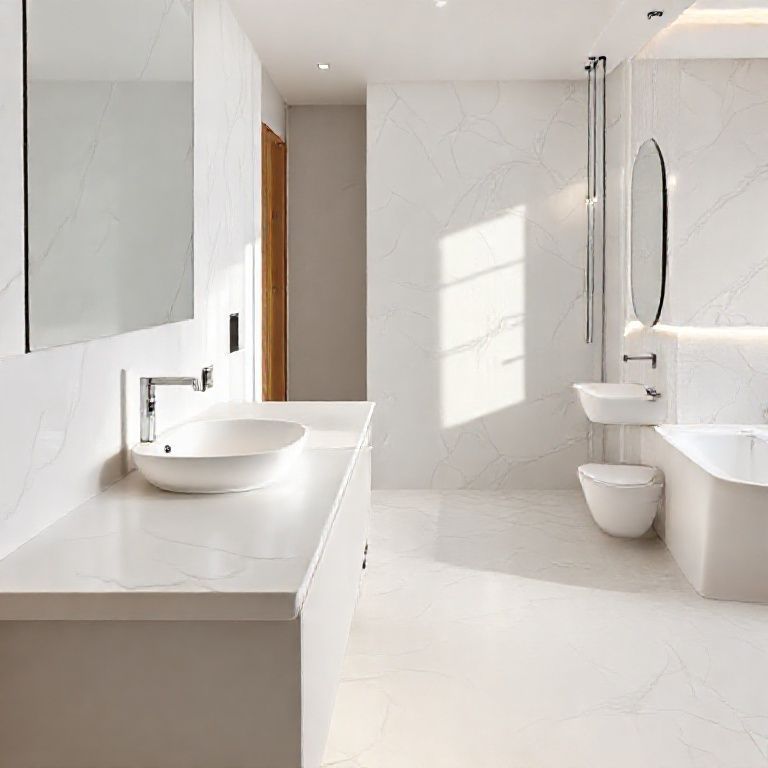
The Allure of Marble and Its Pricing Factors
Marble, a timeless classic, continues to enchant homeowners and designers with its luxurious appeal and natural beauty. Its timeless elegance and durability have made it a favorite choice for countertops, flooring, and decorative elements. However, understanding the cost of marble per square foot can be a complex endeavor, involving various factors that influence its price.
1. The Value of Marble’s Natural Beauty
Marble’s allure lies in its unique natural patterns and colors, which are the result of millions of years of geological processes. Each piece of marble is distinct, offering a bespoke quality that enhances the aesthetic of any space. This inherent uniqueness significantly contributes to its cost per square foot.
2. Types of Marble and Their Pricing
Different types of marble have varying prices due to their origin, quality, and aesthetic appeal. Some of the most popular types include:
Italian Marble: Known for its fine grain and rich colors, Italian marble is one of the most sought-after varieties. It includes famous types like Carrara, which is prized for its creamy white hues and fine texture.
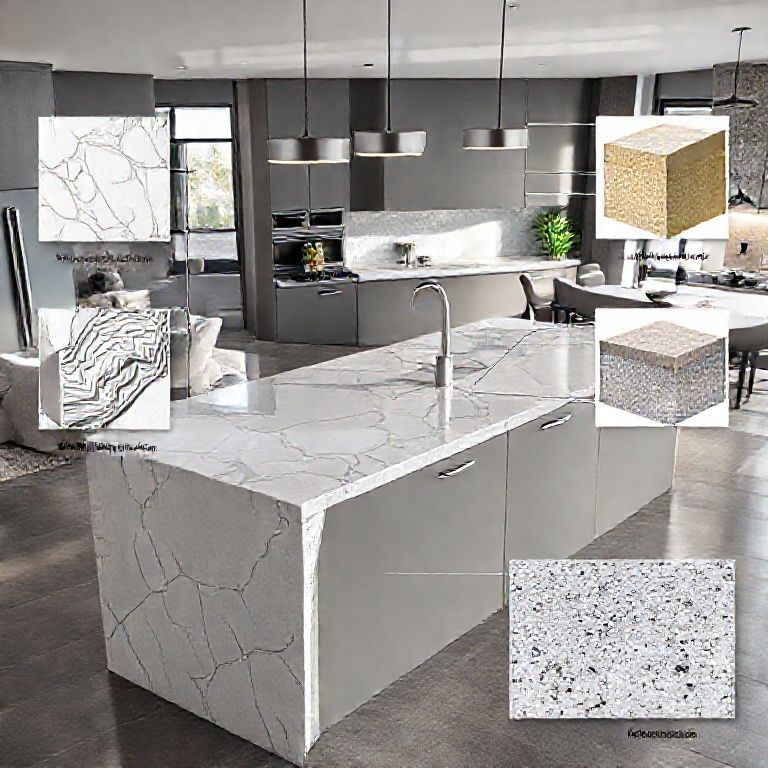
Egyptian Marble: Famous for its historical significance and stunning colors, Egyptian marble is often used in high-end projects. The cost of Egyptian marble per square foot is generally high due to its rarity and beauty.
Indian Marble: India is home to some of the world’s most vibrant and colorful marbles, such as Pink Panther and Imperial Red. These marbles are often chosen for their striking appearance, although their cost can vary widely.
Turkish Marble: Turkish marble, particularly from the region of Kararah, is known for its rich tones and durability. It is a popular choice for both residential and commercial projects.
3. Quality and Grade
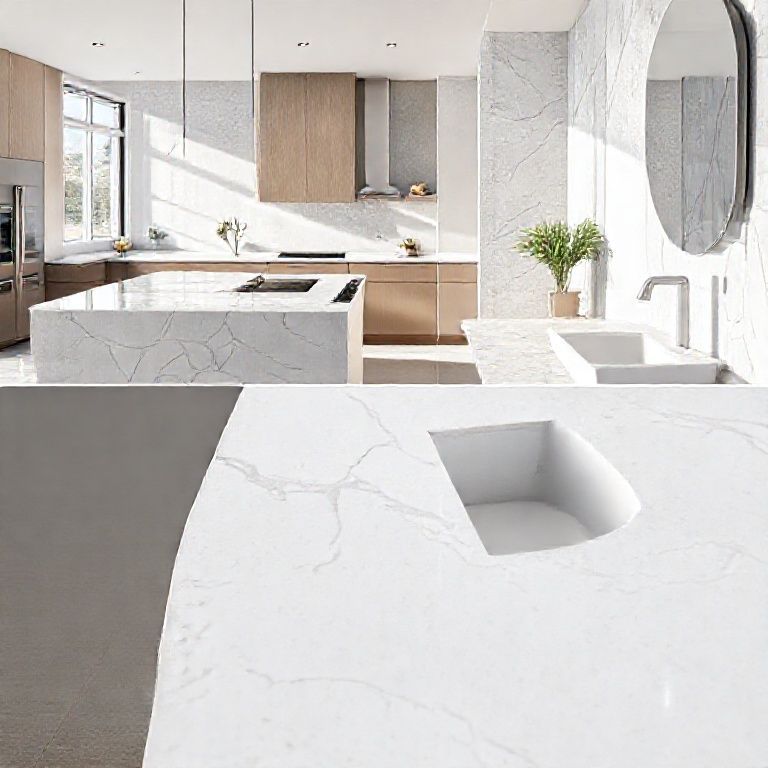
The quality and grade of marble significantly affect its cost per square foot. Marble is graded based on its color, texture, and the presence of veins and impurities. Higher grades, which are more uniform and have fewer imperfections, are naturally more expensive.
4. Thickness and Finish
Marble slabs come in various thicknesses, typically ranging from 1 to 3 inches. Thicker slabs generally offer greater durability and are often preferred for high-traffic areas. The finish also plays a crucial role in pricing. Polished marble has a glossy, smooth surface that reflects light beautifully, while honed marble has a matte finish that is less slippery and easier to clean.
5. Labor Costs
The cost of installation is another critical factor. Labor costs can vary depending on the complexity of the installation, the skill level of the installer, and the geographical location. Highly intricate designs or custom installations can significantly increase the overall cost.
6. Transportation and Handling
The distance from the quarry to the installation site can impact the price per square foot. Marble is a heavy material, and transportation costs can add to the final price, especially if the marble is imported from abroad.
7. Additional Costs
Other potential costs include cutting and shaping fees, if the marble requires specific modifications, and any additional materials needed for the installation, such as adhesives or sealing compounds.
Conclusion
Understanding the cost of marble per square foot involves considering various intricate factors that contribute to its overall price. From the natural beauty of the marble to the quality, thickness, and finishing, each element plays a role in determining the final cost. By taking these factors into account, homeowners and designers can make informed decisions to achieve the perfect blend of beauty and value in their projects.
Making Informed Decisions on Marble Investment
When planning a renovation or new construction project that includes marble, it’s essential to make informed decisions that balance beauty, functionality, and budget. This comprehensive guide will help you navigate the complexities of marble pricing and choose the best option for your needs.
1. Assessing Your Budget
Before diving into the world of marble, it’s crucial to establish a clear budget. Marble can range from affordable to extremely luxurious, depending on the type, quality, and installation requirements.
Entry-Level Marble: For those looking for an affordable option, marbles like Indiana or some types of Brazilian marble offer good quality at a lower price point.
Mid-Range Marble: For those wanting a blend of beauty and value, mid-range marbles like Tennessee or some Italian varieties strike a good balance.
High-End Marble: For those willing to invest in the finest, marbles like the aforementioned Carrara or Egyptian marble offer unparalleled beauty and luxury.
2. Researching Marble Suppliers
Finding a reputable supplier is crucial to getting the best price per square foot. Research local and international suppliers to compare prices, quality, and customer reviews.
Local Suppliers: Often, local suppliers offer competitive rates due to lower transportation costs and can provide quicker delivery times.
International Suppliers: While these may have higher initial costs, they often offer a wider variety of marble types and superior quality.
3. Consulting with Experts
Consulting with experienced professionals can provide invaluable insights into the best marble choices for your project. Architects, interior designers, and marble specialists can offer expert advice on selecting the right type of marble, ensuring it meets your functional and aesthetic needs.
4. Considering Future Maintenance
Marble, though durable, requires regular maintenance to preserve its beauty and longevity. Understanding the maintenance needs of different types of marble can help in making a more informed decision.
Polished Marble: Requires regular sealing to maintain its glossy finish and resist stains.
Honed Marble: Though easier to clean, it needs periodic maintenance to avoid the build-up of oils and stains.
5. Custom vs. Stock Marble
Choosing between custom-cut marble and stock marble can impact the cost per square foot.
Custom Marble: Custom-cut marble, which is tailored to fit specific dimensions, often incurs additional costs due to cutting and shaping fees.
Stock Marble: Pre-cut stock marble can be more cost-effective, but it might not perfectly match your design requirements.
6. Planning for Future Value
Investing in high-quality marble can offer significant long-term value. While the initial cost may be higher, the durability and timeless appeal of marble can make it a worthwhile investment that enhances the resale value of your property.
7. Comparing Costs
To make an informed decision, it’s essential to compare costs from multiple suppliers and contractors. Get detailed quotes that break down the cost per square foot, including the price of the marble, labor costs, and any additional fees.
Conclusion
Making an informed decision about the cost of marble per square foot involves careful consideration of multiple factors, including budget, supplier, quality, and future maintenance. By understanding these elements and consulting with experts, you can choose the best marble option that meets your aesthetic and functional needs while offering long-term value. Investing in high-quality marble not only enhances the beauty of your space but also provides a durable and elegant solution that stands the test of time.