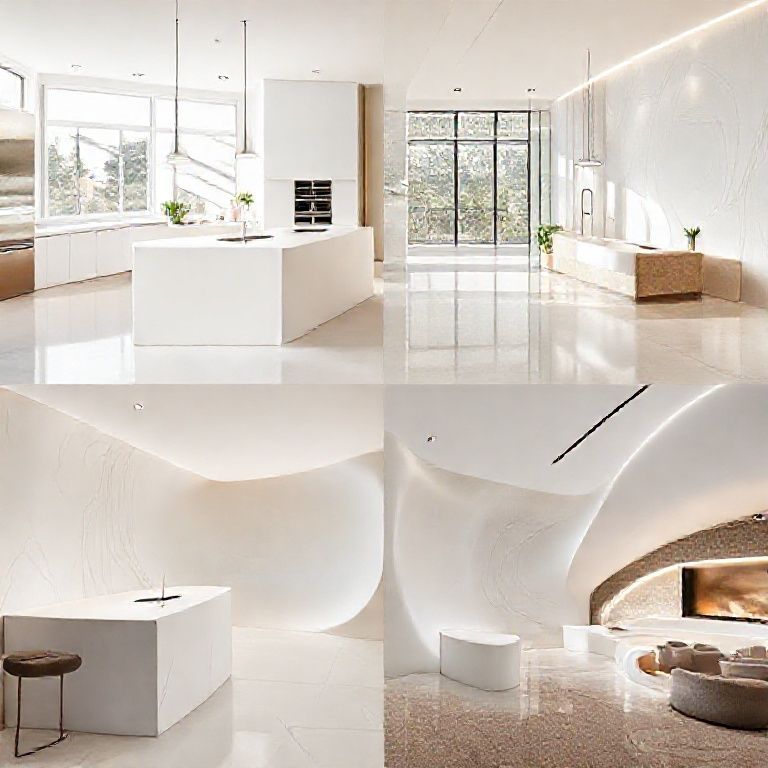
Introduction to Artificial Marble Countertop Restoration
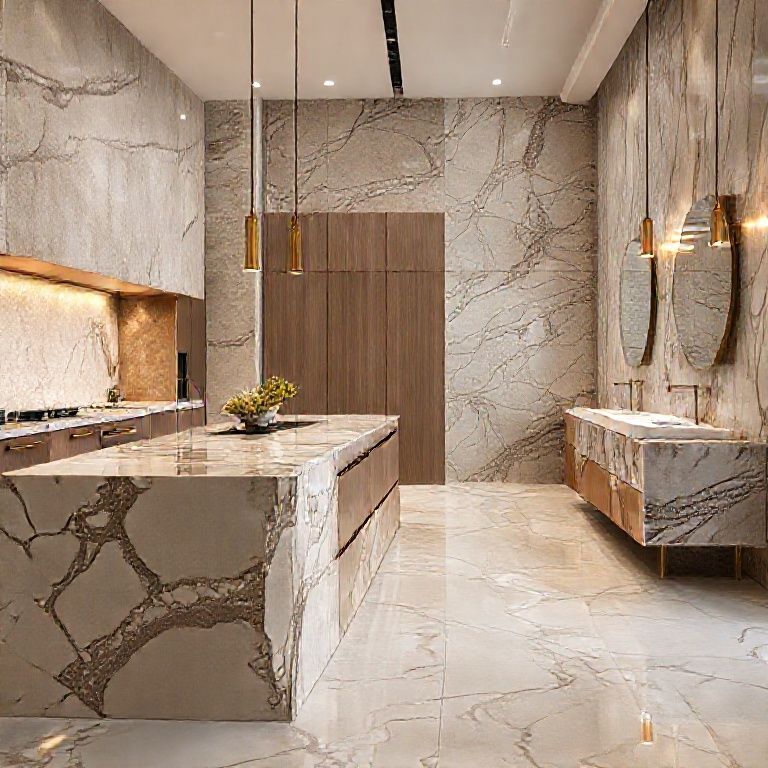
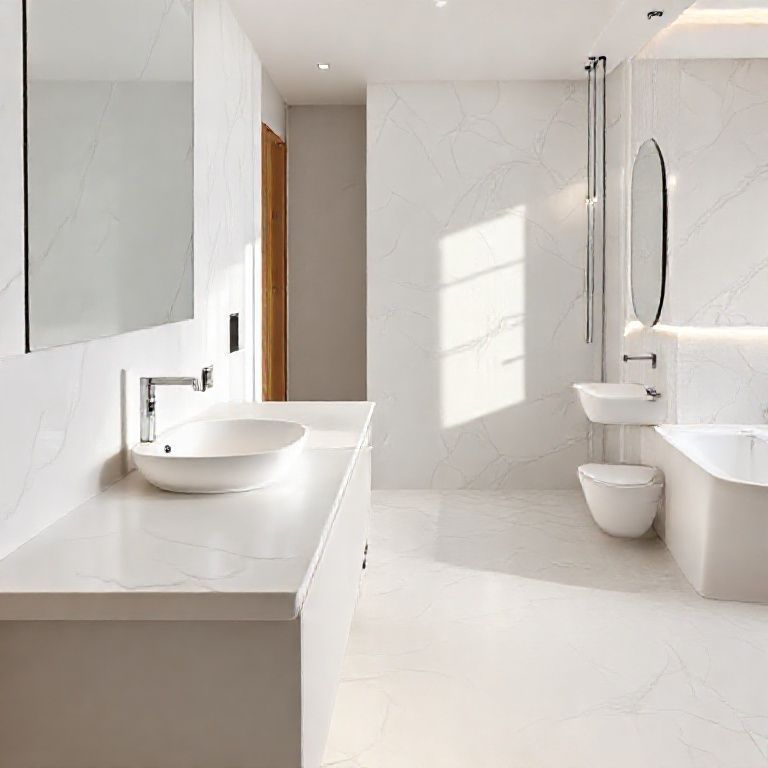
Artificial marble countertops have become a popular choice for both residential and commercial spaces due to their stunning aesthetic appeal, durability, and relatively lower cost compared to natural marble. However, like any material, they can suffer from wear and tear over time. Whether it’s scratches, stains, or a general loss of vibrancy, restoring artificial marble countertops can breathe new life into your space. One of the most enchanting aspects of this restoration process is the ability to change the color of the countertop, turning an outdated look into something fresh and modern.

In this first part of our series, we delve into the fascinating world of artificial marble countertop restoration, focusing specifically on the transformative power of color change. We will explore the reasons why color change is such a sought-after option, the science behind it, and the techniques used to achieve a flawless finish.
Why Color Change is a Game-Changer
The primary reason color change is so popular is the sheer versatility it offers. Artificial marble can mimic the look of a multitude of natural stone types, but over time, these can lose their initial appeal. The color change process allows homeowners and businesses to rejuvenate their countertops without the need for a complete replacement. This means not only saving on costs but also preserving the unique character of your space.
Color change can address several issues:
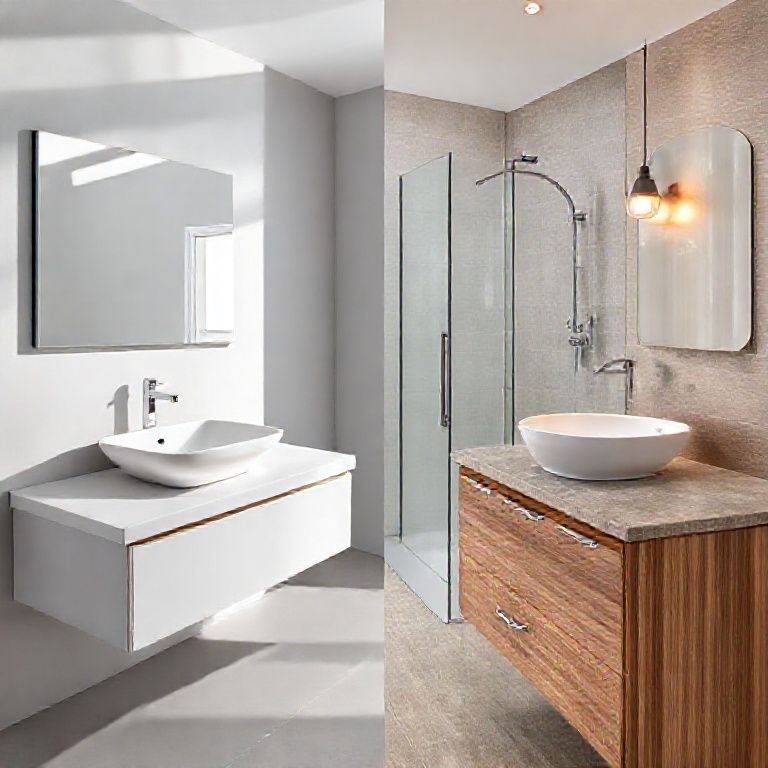
Outdated Appearance: If your countertop has become a bit tired, a new color can instantly modernize your space. Repair Imperfections: Minor scratches and blemishes can often be masked by a new color, giving a polished look. Uniformity: If your countertop has sections that have aged differently, a uniform color can create a cohesive look.
The Science Behind Color Change
Understanding the science behind color change is crucial for appreciating the process. Artificial marble is made from a mixture of minerals, resins, and pigments. The color is embedded during the manufacturing process. To change the color, the existing pigment layer must first be removed. This is achieved through a process called “sandblasting” or “chemical etching,” which carefully removes the top layer of the countertop, exposing the base material underneath.
Once the old pigment is removed, a new color can be applied. This is typically done using a specialized resin that matches the desired new color. The application process involves meticulous layering and curing, ensuring that the new color is uniformly distributed across the surface.
Techniques for Achieving Flawless Color Change
The color change process requires a high level of skill and expertise to achieve the best results. Here are some key techniques used in professional restoration:
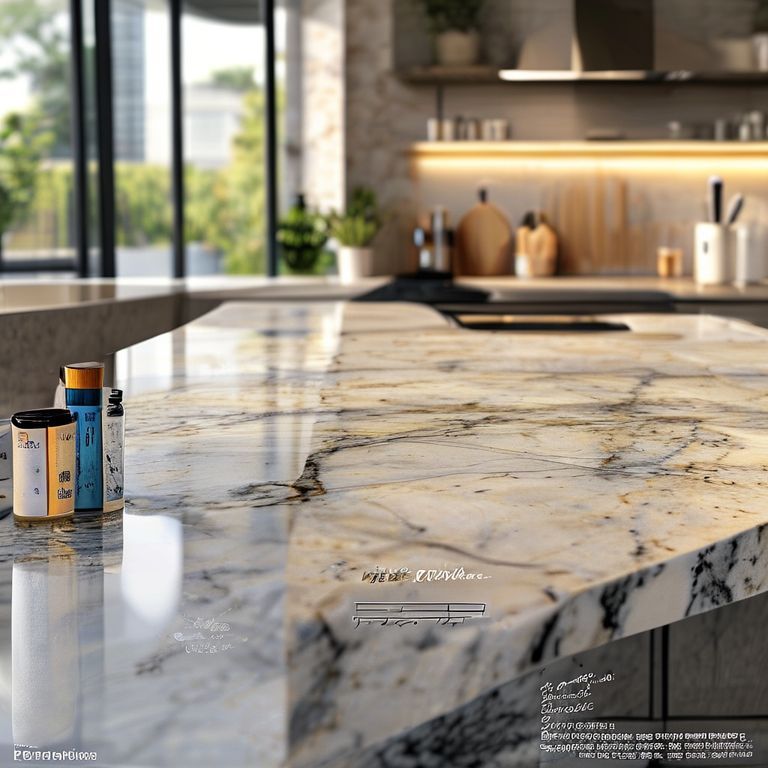
Surface Preparation: Proper preparation is essential. The countertop is thoroughly cleaned and inspected for any imperfections that need to be addressed before color change.
Etching: A controlled etching process is used to remove the old color. This can be done using sandblasting or chemical etchants, depending on the extent of the color change needed.
Priming: After etching, a primer is applied to prepare the surface for the new color. This ensures that the new pigment adheres properly.
Application of New Color: The new color is applied in multiple layers. Each layer is carefully cured to ensure even color distribution.
Sealing: Once the final color layer is applied and cured, a sealant is used to protect the surface and enhance the durability of the new color.
Conclusion: The Transformative Power of Color Change
In conclusion, the ability to change the color of artificial marble countertops is a remarkable feature of countertop restoration. It offers a cost-effective, versatile solution to revitalize your space, giving it a fresh, modern look. Understanding the science and techniques behind this process highlights the expertise required to achieve perfect results.
In the next part of our series, we will explore some real-world examples and testimonials from homeowners and businesses who have successfully undergone countertop restoration. We will also delve deeper into the tools and materials used in this intricate process, providing you with a comprehensive understanding of what to expect when considering color change for your artificial marble countertops.
Real-World Examples and Expert Insights
Success Stories: Transforming Spaces with Color Change
Now that we’ve covered the science and techniques behind artificial marble countertop restoration and the transformative power of color change, it’s time to look at some real-world examples. These stories will provide a tangible sense of the impact that a color change can have on a space, offering inspiration and a clear understanding of the potential outcomes.
Homeowner Transformation: The Johnson Family Kitchen
The Johnson family had been living in their home for over a decade when they decided it was time to renovate the kitchen. The artificial marble countertops had served them well but had started to show signs of aging. They were particularly concerned about the discoloration and scratches that had accumulated over the years.
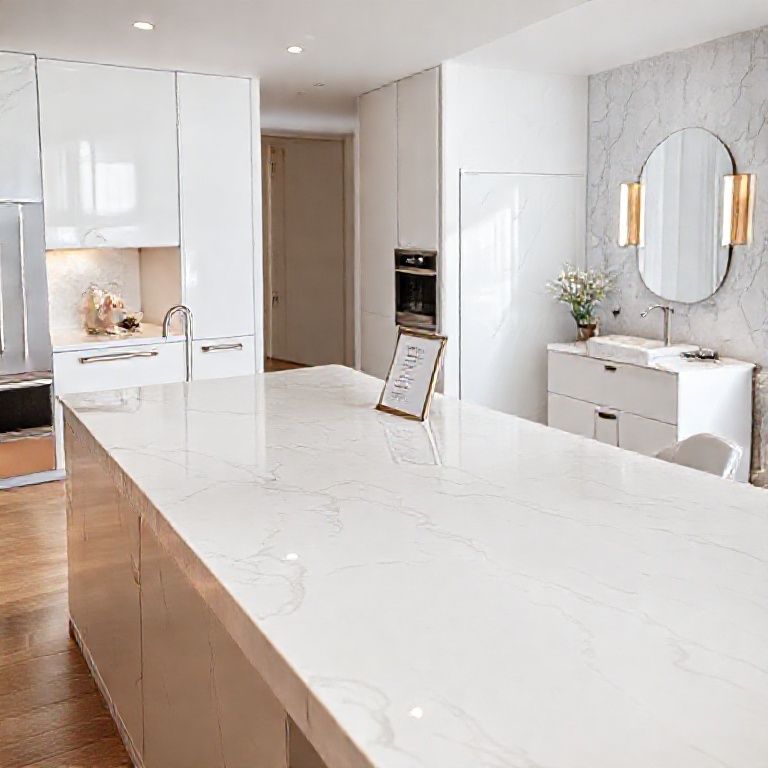
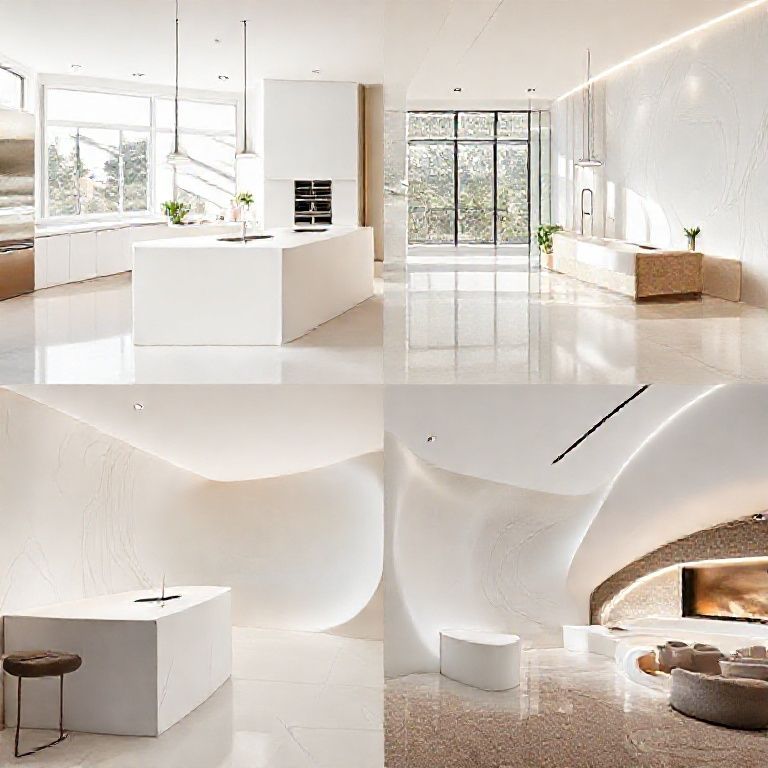
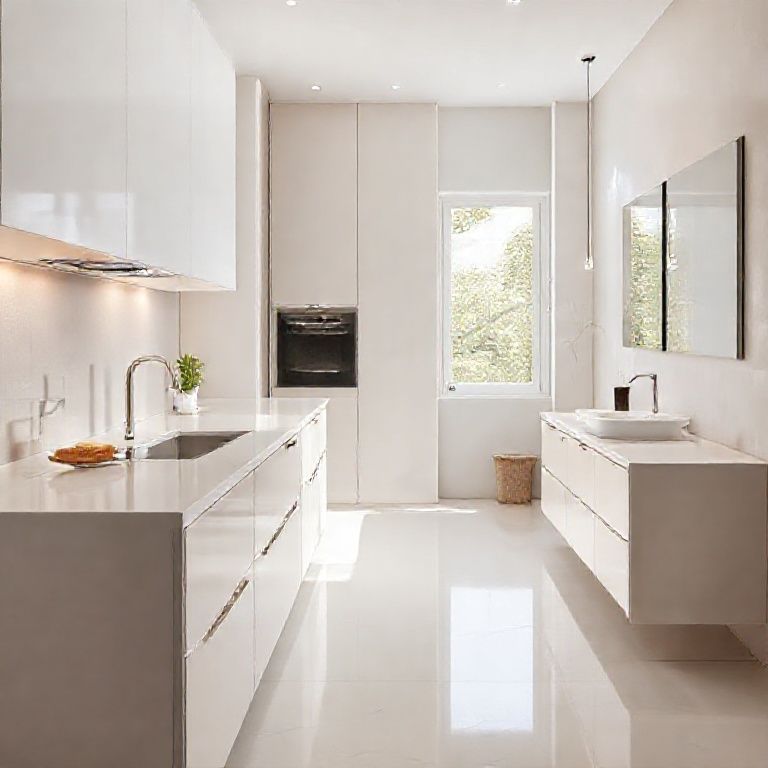
After consulting with a professional restoration expert, they opted for a color change. The existing dark gray countertop was transformed into a vibrant white with subtle veining that mimicked natural marble. The result was stunning; the new color not only masked the imperfections but also gave the kitchen a fresh, modern look. The Johnsons were thrilled with the outcome, noting how the new color enhanced the overall aesthetics of their kitchen, making it feel more open and inviting.
Business Makeover: Elegant Lobby Renovation for a Law Firm
A prominent law firm decided to update the look of their lobby to create a more welcoming and sophisticated environment for clients. Their artificial marble lobby countertops had become dull and outdated, failing to convey the firm’s high standards.
The restoration team used advanced color change techniques to revitalize the countertops. They chose a luxurious, deep burgundy color that exuded elegance and professionalism. The result was a lobby that immediately conveyed a sense of prestige and attention to detail. Clients and visitors were consistently impressed by the transformation, which also boosted the morale of the staff, who were proud of the sophisticated space they worked in.
Expert Insights: Tools and Materials for Flawless Restoration
To achieve the stunning transformations seen in these examples, professionals rely on a range of specialized tools and materials. Here’s a closer look at what goes into a high-quality restoration project:
High-Pressure Air Blasters: These are used for sandblasting to remove the old pigment layer. They ensure that the etching process is precise and controlled.
Chemical Etchers: For more delicate or extensive color changes, chemical etchants are used. These chemicals safely and effectively remove the old color layer without damaging the base material.
Specialized Primers: A primer is essential for preparing the surface for the new color. It helps ensure that the pigment adheres properly and uniformly.
High-Quality Resins: The new color is applied using specialized resins that match the desired shade. These resins are meticulously layered and cured to achieve an even finish.
Protective Sealants: Once the new color is applied and cured, a high-quality sealant is used to protect the surface. This not only enhances the durability of the new color but also adds an extra layer of protection against future stains and scratches.
Maintenance Tips for Your Restored Countertop
After undergoing a color change restoration, it’s important to maintain your countertops to keep them looking their best. Here are some maintenance tips to ensure your restored artificial marble countertops remain vibrant and pristine:
Regular Cleaning: Use a mild, non-abrasive cleaner to regularly clean your countertops. Avoid using harsh chemicals that can damage the surface.
Immediate Spill Management: Wipe up spills immediately to prevent stains from setting in. For tougher spills, use a mild cleaner to gently clean the area.
Avoiding Abrasive Tools: When cleaning, avoid using abrasive sponges or pads that can scratch the surface.
Use Coasters and Trivets: To protect your countertop from heat and moisture, use coasters under drinks and trivets under hot dishes.
Regular Inspections: Periodically inspect your countertops for any signs of wear or damage, and address any issues promptly to prevent them from worsening.
Conclusion: Embracing the Magic of Color Change
The magic of color change in artificial marble countertop restoration lies in its ability to transform spaces, making them look fresh and modern without the need for a complete replacement. Real-world examples, such as the Johnson family’s kitchen and the law firm’s lobby, demonstrate the profound impact that a well-executed color change can have.
By understanding the science, techniques, and tools involved in this process, you can appreciate the skill and expertise required to achieve flawless results. With proper maintenance, your restored countertops will continue to enhance the beauty and functionality of your space for years to come.
In the next installment of our series, we will provide a detailed video walkthrough of the restoration process, showcasing step-by-step techniques and offering practical tips for those considering a color change for their artificial marble countertops. Stay tuned for an in-depth look at the artistry behind this transformative process.