The Process and Benefits of Marble Mirror Polishing
Introduction to Marble Mirror Polishing:
When it comes to creating an ambiance of luxury and elegance, marble mirror polishing stands out as a superior choice. This intricate process not only enhances the aesthetic appeal of marble mirrors but also ensures they maintain their pristine condition for years to come. Understanding the nuances of marble mirror polishing can help you appreciate the value it brings to any space, be it residential or commercial.
The Marble Mirror Polishing Process:
The journey to achieving a polished marble mirror involves several meticulous steps. Here’s a breakdown of what you can expect:
Initial Cleaning: Before polishing, the mirror undergoes a thorough cleaning to remove any dirt, grime, or residue that could interfere with the polishing process. This step is crucial to ensure that the polishing agent can properly adhere to the marble surface.
Application of Polishing Agent: Once cleaned, a specialized polishing agent is applied to the marble surface. This agent is formulated to not only shine but also to protect the marble from future scratches and stains.

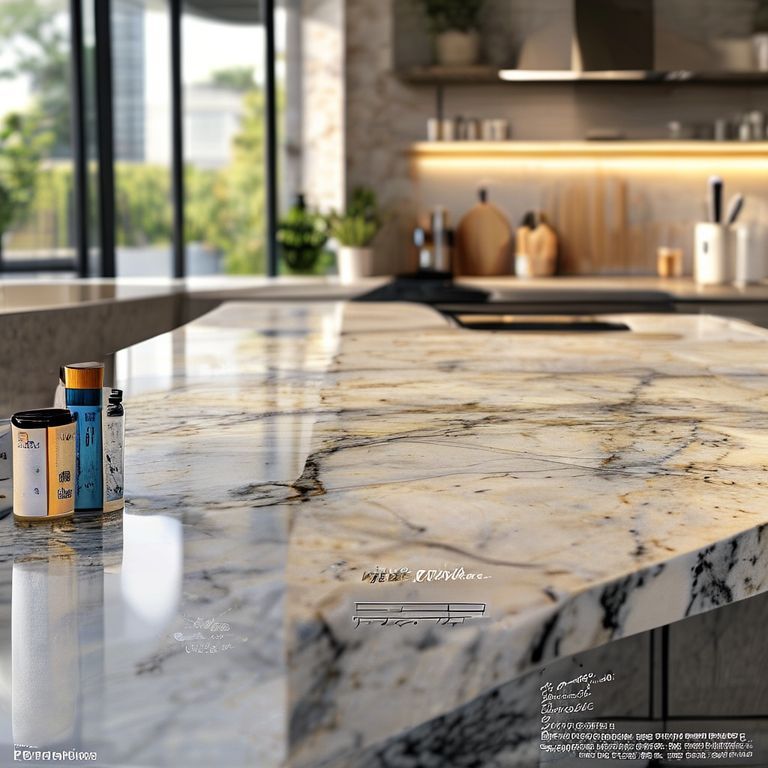
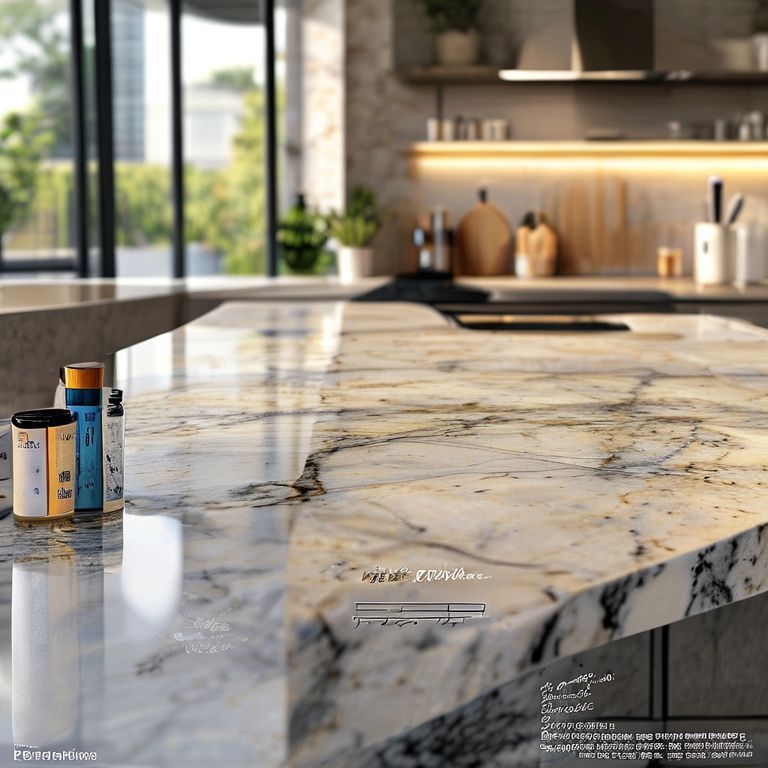
Polishing: Using specialized tools, the polishing agent is meticulously worked into the marble surface. This can involve buffing, rubbing, and sometimes even laser polishing depending on the extent of the surface’s wear and tear. The aim is to create a mirror-like finish that reflects light beautifully.
Final Inspection: After polishing, a final inspection ensures that the marble mirror has achieved the desired level of shine and that no imperfections remain. Any minor imperfections are corrected during this phase.
Benefits of Marble Mirror Polishing:
Polishing your marble mirror is not just about enhancing its appearance; it’s about prolonging its lifespan and maintaining its value. Here are some key benefits:
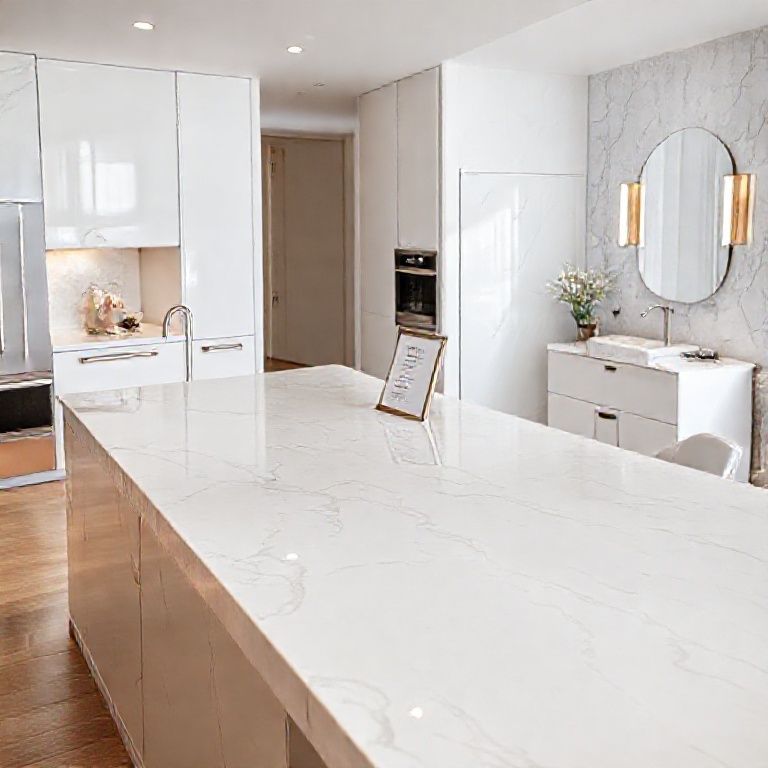
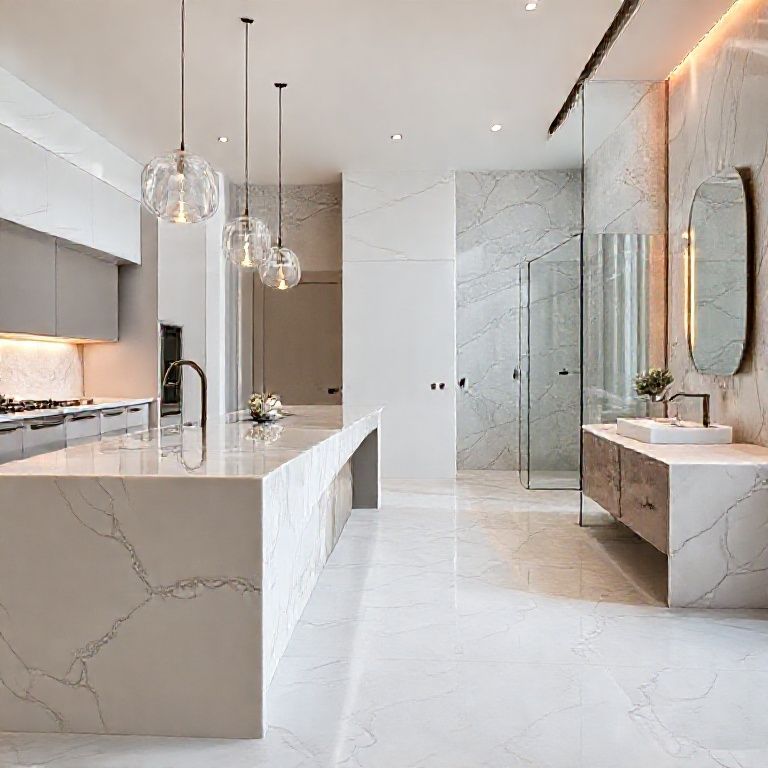
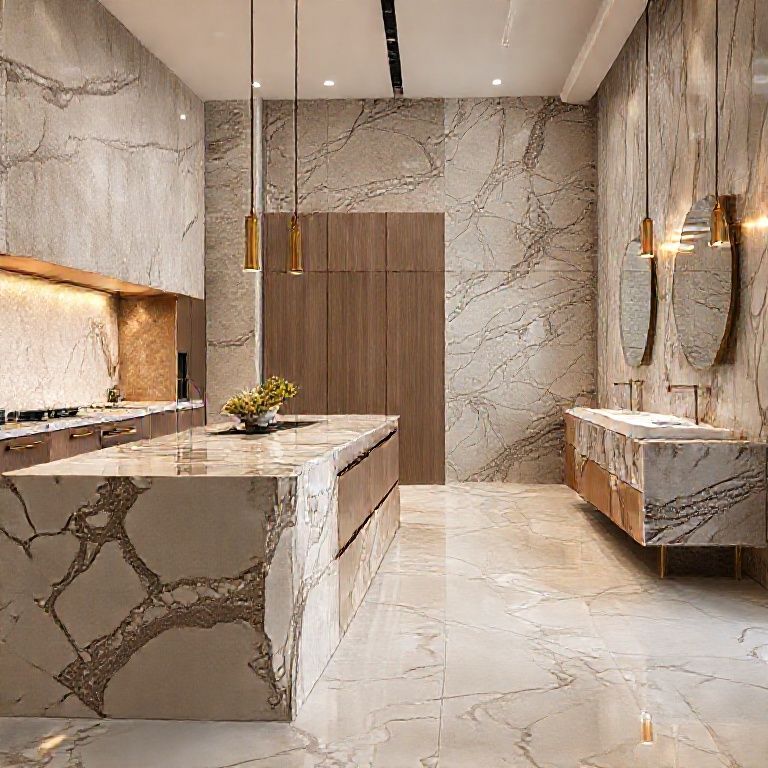
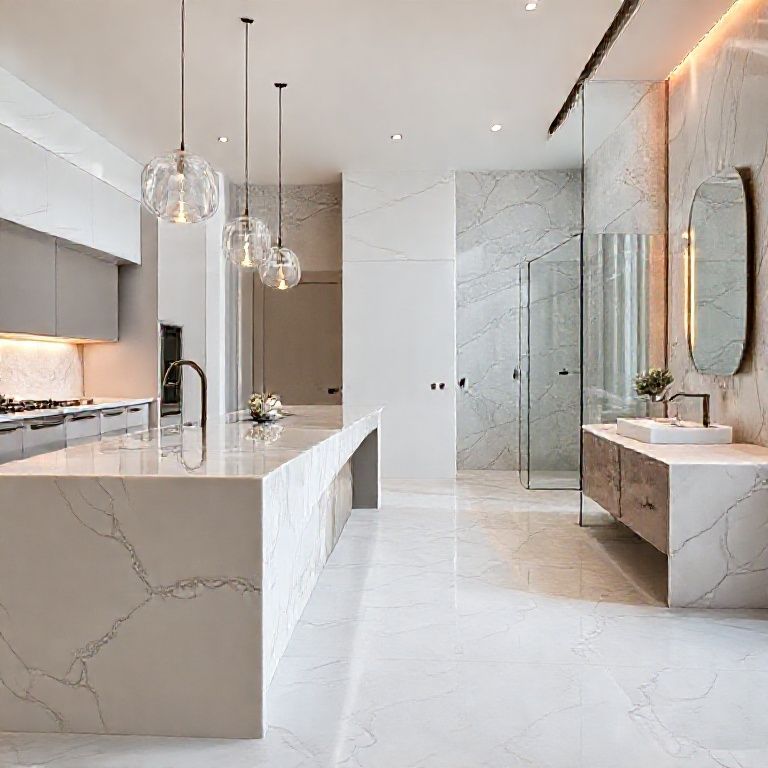
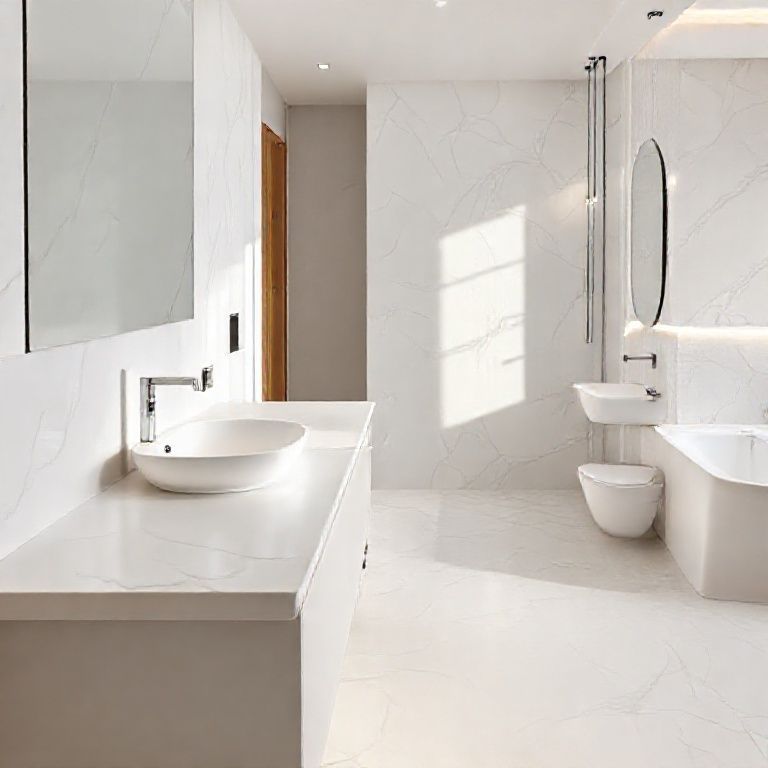
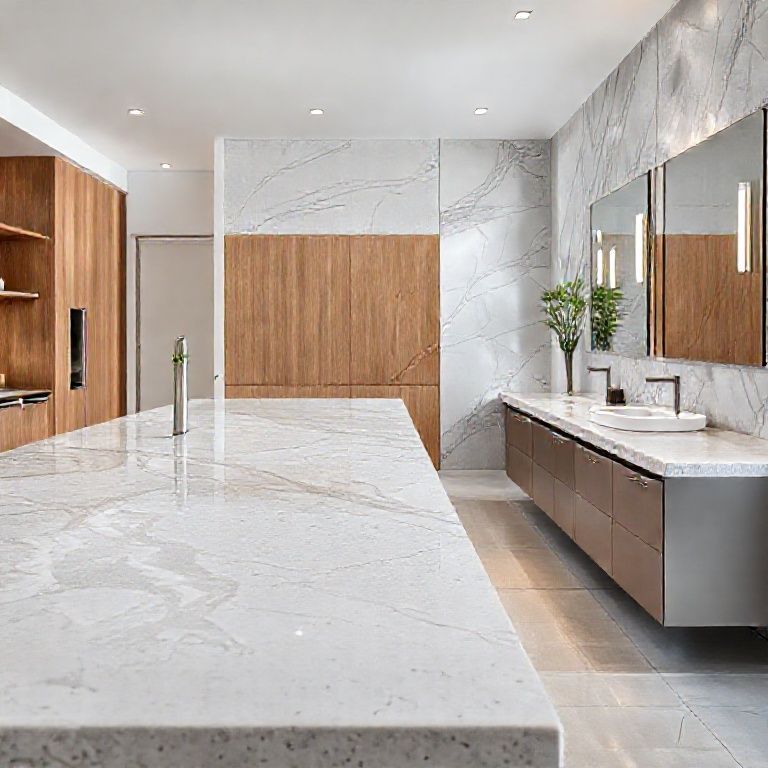
Enhanced Aesthetics: Polished marble mirrors reflect light in a way that enhances the overall ambiance of any room. Whether in a lavish living room, a chic bathroom, or a high-end commercial space, a polished marble mirror exudes sophistication and luxury.
Durability: The specialized polishing agent used in the process creates a protective layer on the marble surface. This layer helps prevent scratches, stains, and water damage, thereby extending the life of the mirror.
Ease of Maintenance: Once polished, marble mirrors are easier to clean and maintain. The protective layer repels water and grime, making it simpler to keep them looking pristine with minimal effort.
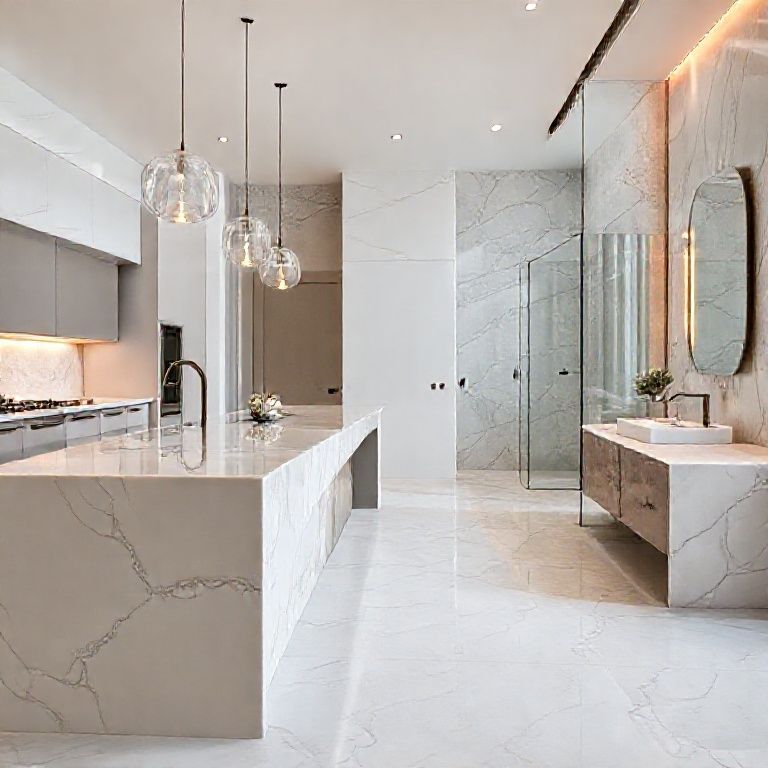
Increased Resale Value: For homeowners, a polished marble mirror can significantly increase the resale value of a property. Potential buyers are often drawn to the luxurious appeal of well-polished marble, which adds to the overall value of the home.
Versatility: Marble mirrors come in various shapes, sizes, and designs. Whether it’s a classic rectangular frame, a sleek modern design, or an ornate baroque style, marble mirror polishing enhances any form, making it a versatile addition to any decor.
Conclusion to
Marble mirror polishing is an investment in both beauty and durability. The meticulous process ensures that your marble mirror not only looks stunning but also remains in excellent condition over time. In the next part, we’ll delve into the various factors that influence marble mirror polishing prices, helping you understand what to expect when making this luxurious choice.
Understanding Marble Mirror Polishing Prices
Factors Influencing Marble Mirror Polishing Prices:
Understanding the cost of marble mirror polishing requires a look at several key factors. These elements can significantly affect the price, ensuring you get a clear picture of what to anticipate.
Size and Complexity of the Mirror: The size and complexity of the mirror are primary determinants of the polishing cost. Larger mirrors or those with intricate designs require more time and effort to polish, which naturally increases the price. For instance, a large, custom-shaped marble mirror will cost more than a standard rectangular one.
Quality of Marble: The type of marble used also plays a crucial role. High-quality marbles like Carrara or Bianco Statuario are often more expensive due to their superior beauty and durability. Polishing these high-grade marbles might involve using more specialized techniques and agents, thereby affecting the cost.
Current Condition of the Mirror: The existing condition of the mirror can significantly influence the price. Mirrors that are already well-maintained and require minimal work will cost less than those that need extensive repair and polishing. Mirrors with significant scratches, chips, or other damages will require more time and effort, leading to higher costs.
Polishing Technique: The chosen polishing technique can also affect the price. Traditional methods like hand polishing are more labor-intensive and thus more costly compared to modern techniques like laser polishing, which can be faster and more efficient.
Expertise and Reputation of the Polishing Service: The reputation and expertise of the polishing service or professional you choose can impact the cost. Highly experienced and well-known professionals often charge more due to their proven track record of delivering high-quality results.
Geographical Location: Prices can vary based on the geographical location of the service provider. Urban areas with a higher cost of living often have higher service charges compared to rural or less expensive areas.
Typical Pricing Range for Marble Mirror Polishing:
While prices can vary widely based on the factors mentioned above, here’s a general overview of the cost range you might expect:
Small to Medium-Sized Mirrors: For mirrors measuring up to 3 feet by 3 feet, you can generally expect to pay between $100 and $300. This range covers standard polishing services for well-maintained mirrors.
Larger Mirrors: Mirrors larger than 3 feet by 3 feet often cost between $300 and $600. The price increase is due to the greater time and effort required for polishing.
Custom or Intricate Designs: For custom or intricately designed mirrors, prices can range from $600 to $1,500 or more. These mirrors often require additional time and specialized techniques.
High-Quality Marbles: Polishing mirrors made from high-grade marbles like Carrara or Bianco Statuario can range from $200 to $800 or more, depending on the size and condition of the mirror.
Additional Costs to Consider:
While the base cost covers the polishing service, there may be additional costs to consider:
Transportation Fees: If the mirror is located far from the polishing service provider, there may be transportation costs involved. These fees cover the cost of bringing the mirror to the service location and returning it.
Repair Costs: If the mirror requires any repairs before polishing, such as fixing chips or scratches, these costs will be added to the polishing price. It’s important to discuss this with your service provider upfront to avoid any surprises.
Custom Design Charges: For custom-designed mirrors or unique shapes, there might be additional charges. Custom work often requires more time and specialized techniques, which can increase the overall cost.
Conclusion to
Marble mirror polishing is a process that combines artistry and science to achieve a stunning, long-lasting finish. While the cost can vary based on several factors, understanding these elements helps you make an informed decision. Investing in marble mirror polishing is not just about the immediate aesthetic improvement; it’s about ensuring your marble mirror maintains its luxurious appeal for years to come. For those looking to add a touch of timeless elegance to their space, marble mirror polishing is an invaluable investment.
This detailed guide offers a thorough understanding of the process, benefits, and pricing of marble mirror polishing, helping you navigate the world of luxury mirror enhancements with confidence.