The Timeless Allure and Historical Significance of Marble
When it comes to luxury and elegance, marble stands unrivaled, having graced some of the most iconic structures in history. From the ancient temples of Greece to the grand palaces of the Renaissance, marble has been a preferred material for architects and designers. But what makes marble so special, and why does it continue to hold such a prestigious position in the world of interior design?
Historical Significance of Marble
Marble’s journey through history is as illustrious as the material itself. Marble has been prized since antiquity for its beauty and durability. The ancient Greeks and Romans used it extensively for sculptures, temples, and public buildings. The iconic Parthenon in Athens and the Roman Colosseum are testaments to marble’s enduring legacy.
During the Renaissance, marble found its way into the hearts of Italian artists and architects, becoming a symbol of opulence and refinement. Michelangelo’s David, carved from a single block of Carrara marble, stands as a testament to the timeless beauty and craftsmanship associated with this material. Marble was also a cornerstone in the design of St. Peter’s Basilica in Vatican City, highlighting its continued relevance in religious and cultural contexts.
The Allure of Marble
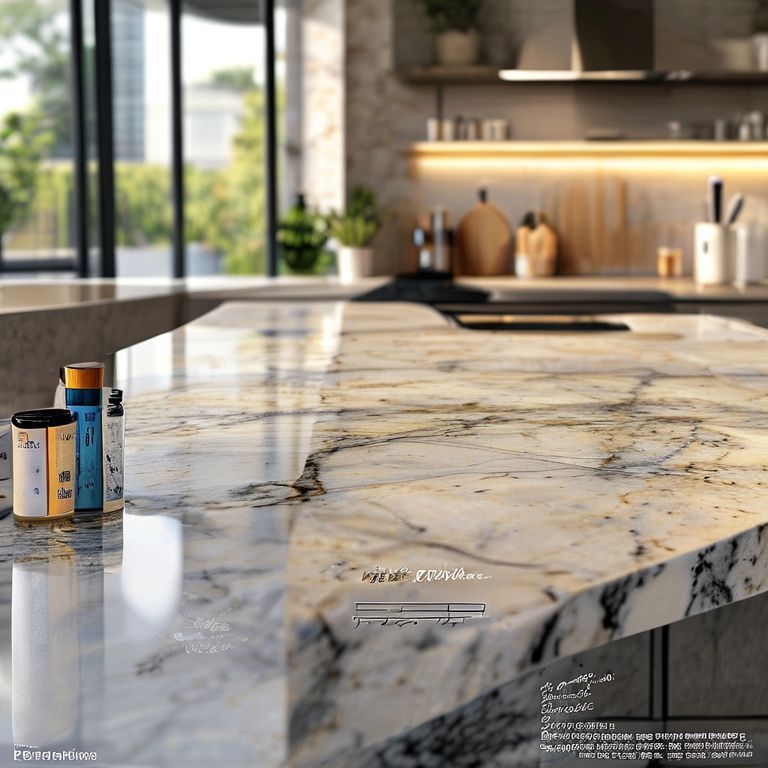
Today, marble remains one of the most sought-after materials in the world of architecture and interior design. Its appeal lies in its natural beauty, which comes from the unique veins and patterns that are inherent in each piece. Unlike other materials, marble’s aesthetic cannot be replicated perfectly, giving each piece a distinctive character that makes it truly one-of-a-kind.
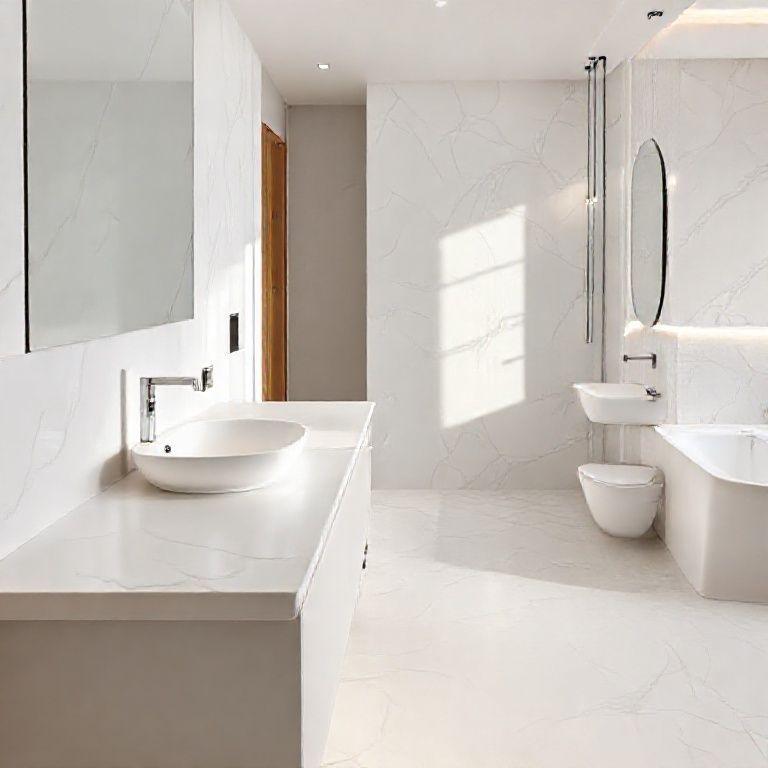
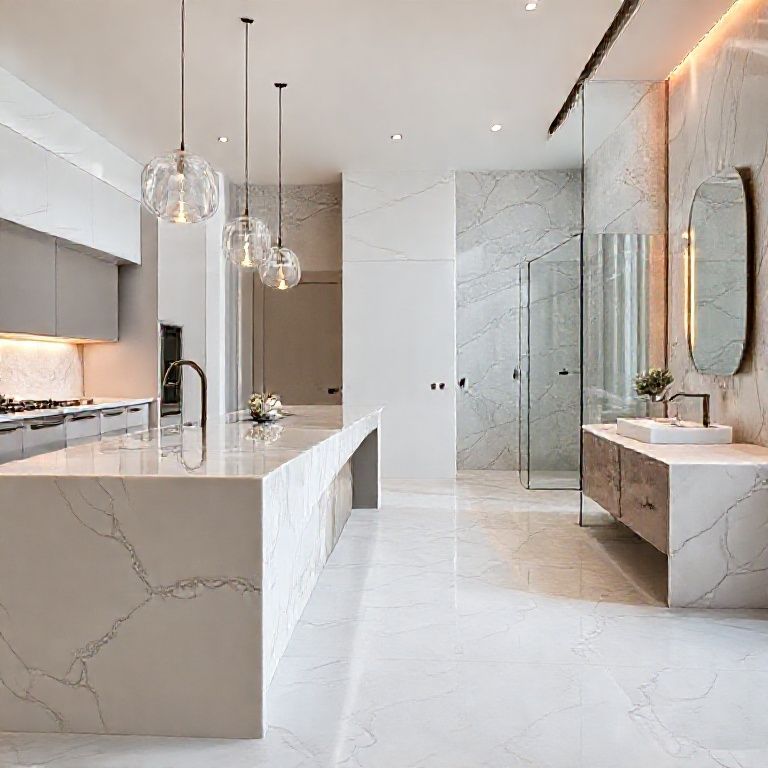
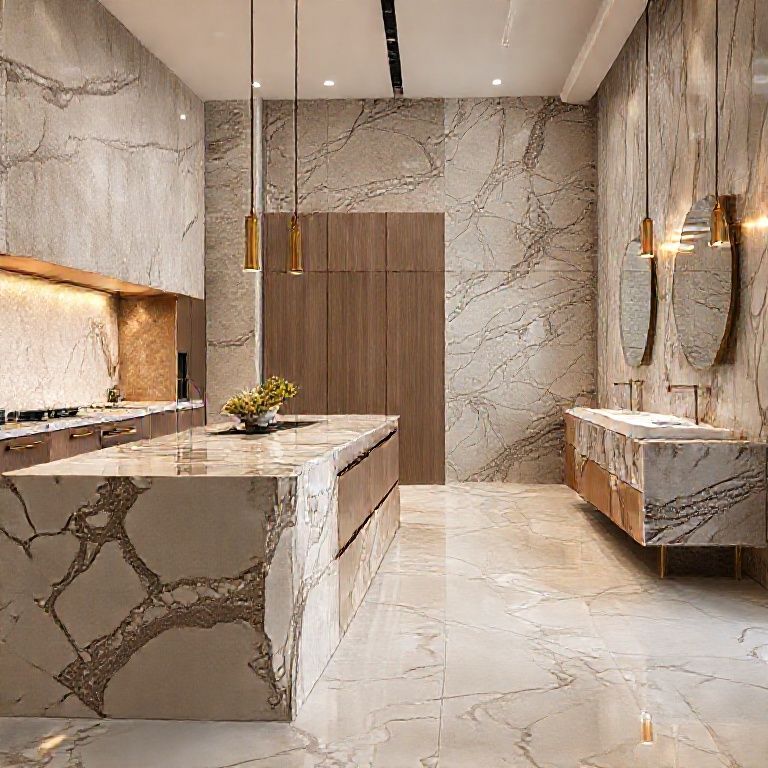
Marble’s texture and color variations provide endless possibilities for design, from sleek, modern spaces to traditional, ornate settings. The material’s inherent luster makes it a perfect choice for high-traffic areas where it can shine and reflect light, creating an ambiance of luxury and sophistication.
Types of Marble and Their Unique Characteristics
There are numerous types of marble, each with its own unique characteristics, beauty, and price range. Here are some of the most popular varieties:
Carrara Marble: Known as the “king of marble,” Carrara marble is prized for its pure white color and fine grain. It has been used in some of the most iconic structures in history, including the Taj Mahal and the Lincoln Memorial. Due to its superior quality, Carrara marble is one of the most expensive types.
Italian Marble: Italy is home to some of the finest marble quarries in the world, producing marble that ranges from creamy whites to rich, dark hues. Marbles like Botticino and Verde Alpi are highly regarded for their beauty and versatility.
Indian Marble: India offers a wide variety of marbles, including the popular Jaipur and Makrana marbles. Known for their unique color patterns and affordability, they are favored for both domestic and international projects.
Egyptian Marble: Renowned for its historical significance, Egyptian marble has been used in ancient monuments. Modern-day projects often use it to evoke a sense of timeless elegance.
Brazilian Marble: Brazil is famous for its striking marbles like the popular Nero Marquina and the luxurious Travertine. These marbles offer a blend of beauty and durability, making them ideal for high-end interiors.
Factors Influencing Marble Pricing
The price of marble per square meter can vary widely based on several factors. Understanding these can help you make informed decisions when planning a marble installation.
Type of Marble: As mentioned, different types of marble have different price points. Carrara marble, for example, is significantly more expensive than Makrana marble due to its quality and historical significance.
Color and Pattern: Marbles with unique and intricate patterns or rare colors tend to be more expensive. Marbles with a lot of veins or unique color variations command higher prices.
Quality: The purity, grain, and overall quality of the marble directly impact its price. Higher-quality marbles with fewer inclusions and more uniform colors are more costly.
Thickness and Size: Marble slabs come in various thicknesses and sizes. Larger, thicker slabs are often more expensive due to the higher amount of material needed.
Processing Costs: The cost of cutting, polishing, and finishing marble can also impact the final price. Higher-end marbles often undergo more extensive processing to achieve the desired finish.
Contemporary Uses and the Future of Marble
In today’s world, marble continues to be a preferred choice for a wide range of applications, from residential homes to commercial buildings. Its timeless appeal, combined with modern innovations, ensures that marble remains a cornerstone of luxury and elegance.
Contemporary Uses of Marble
Residential Spaces
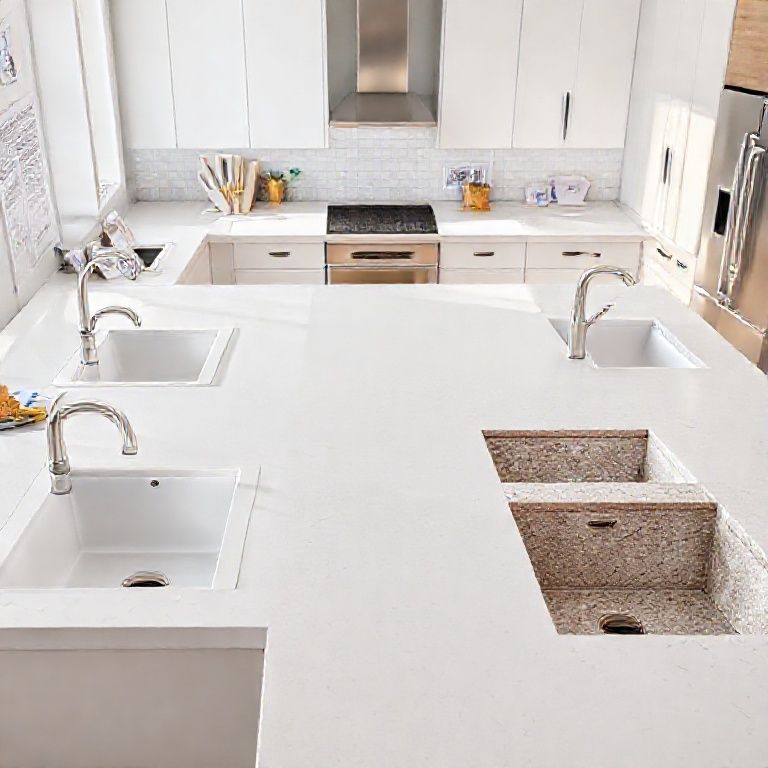
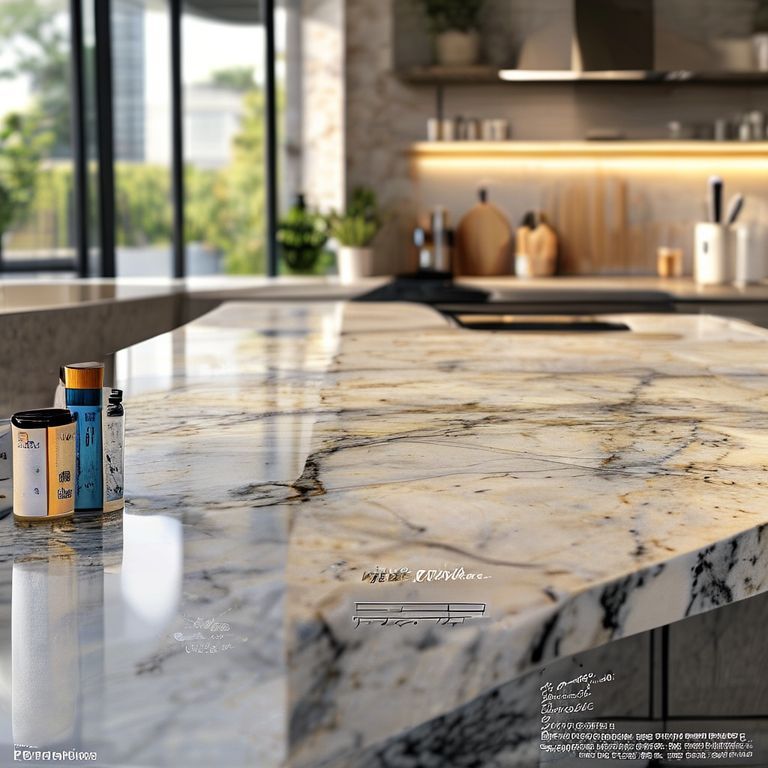
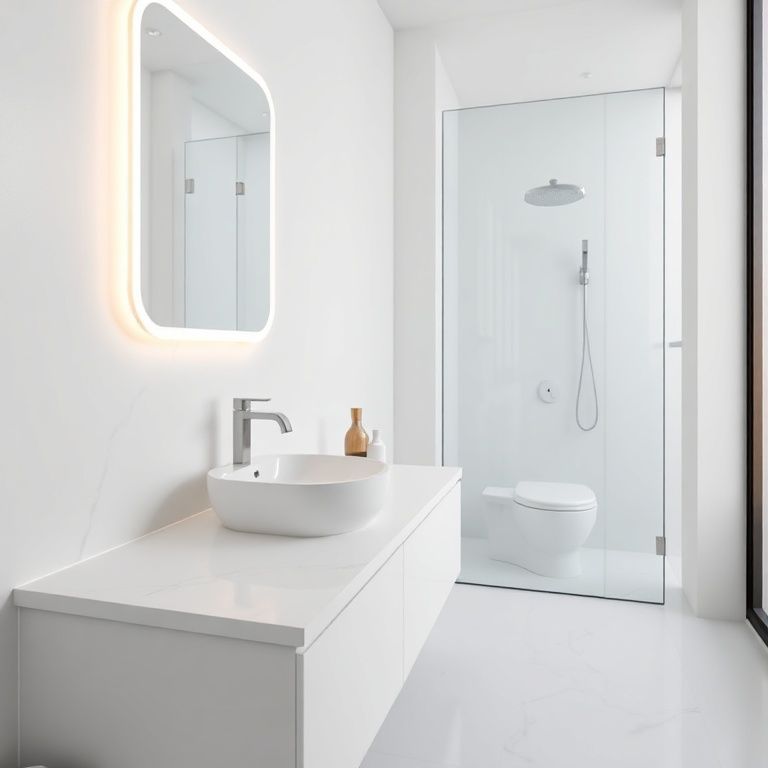
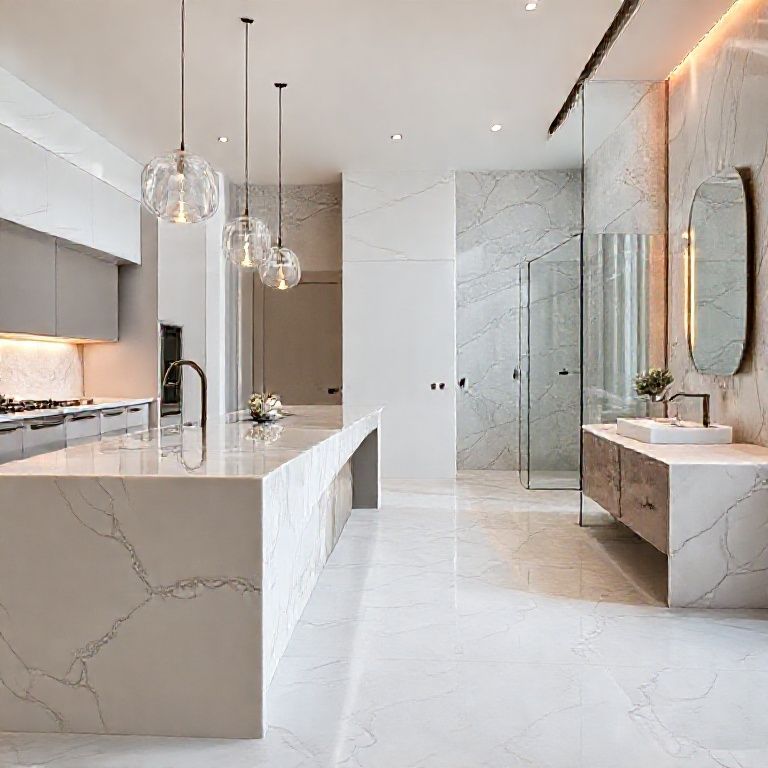
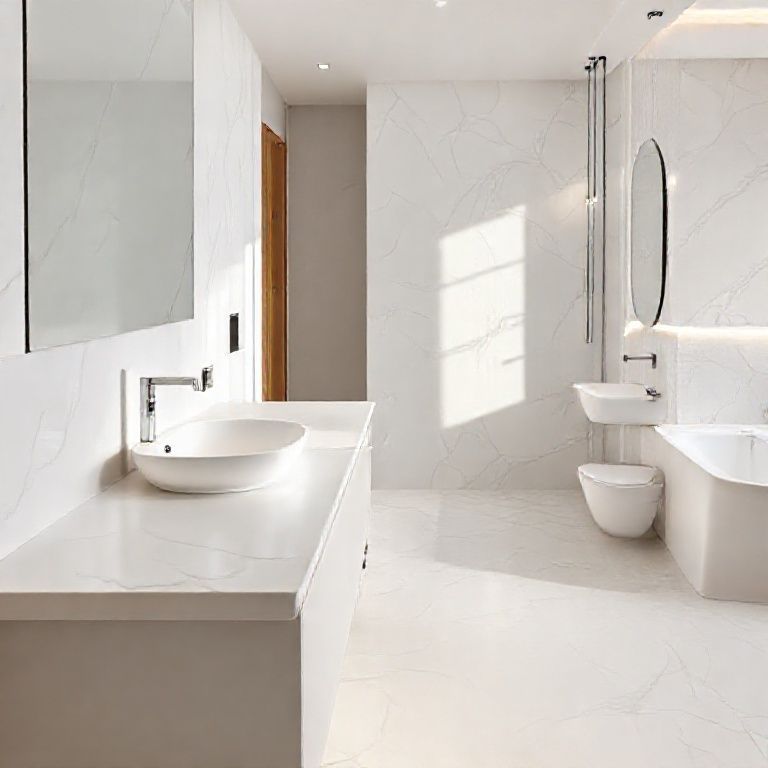
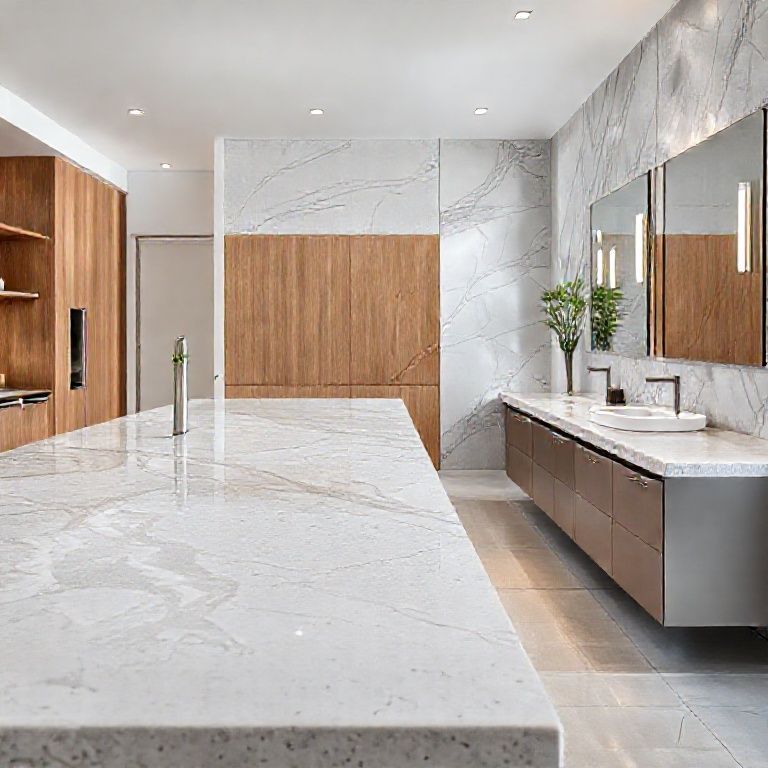
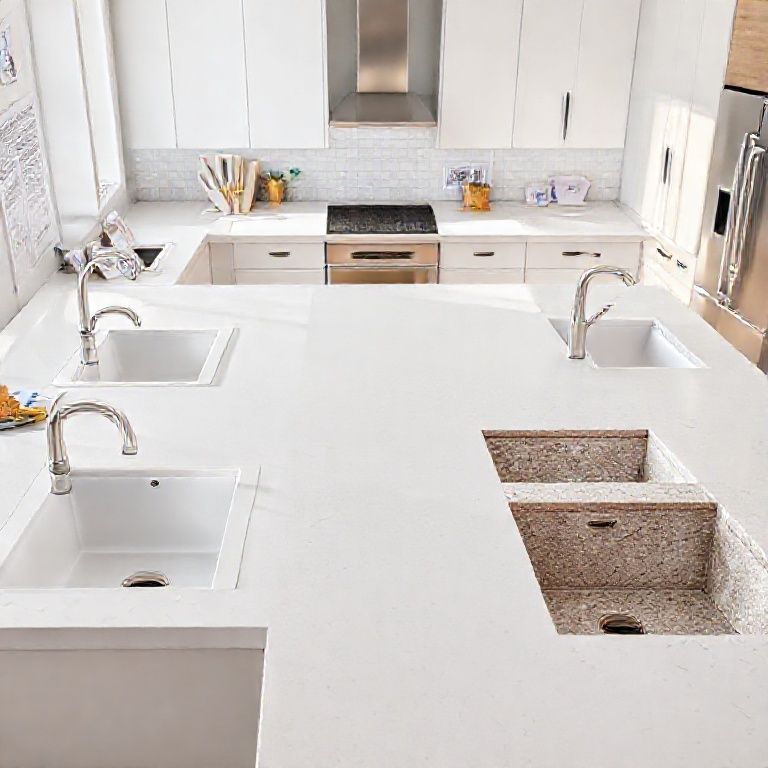
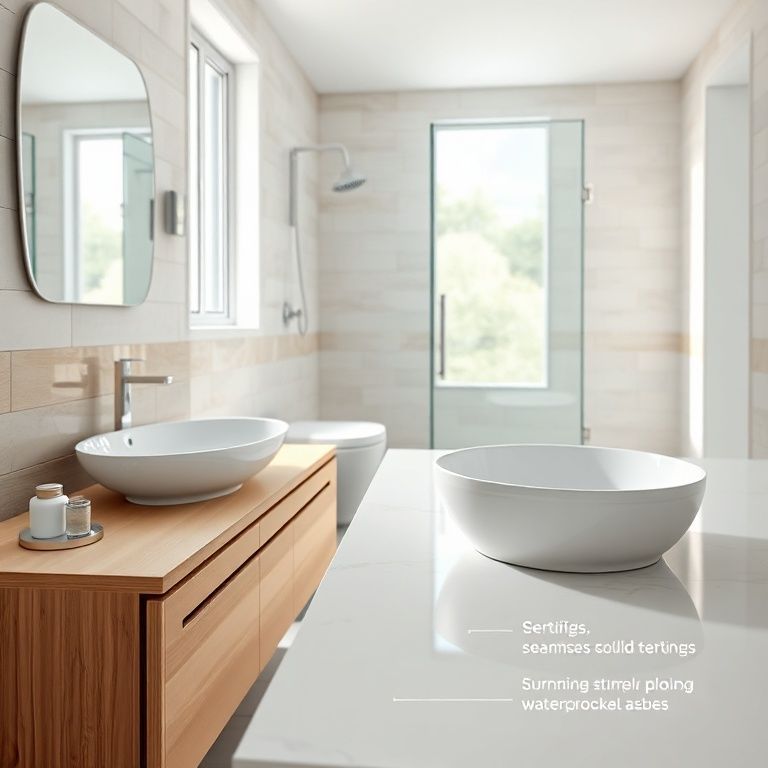
In homes, marble is often used for flooring, countertops, backsplashes, and bathtubs. Its durability and aesthetic appeal make it an excellent choice for high-traffic areas. Marble countertops, for example, offer a sleek, modern look that complements various kitchen styles, from traditional to contemporary. Their natural beauty and resistance to stains and scratches make them a popular choice for homeowners seeking both style and functionality.
Commercial Buildings
Marble’s elegance and durability make it a favorite for commercial spaces such as offices, hotels, and restaurants. Marble flooring in commercial buildings not only enhances the aesthetic appeal but also provides a durable, easy-to-maintain surface that can withstand heavy foot traffic. The use of marble in lobbies, reception areas, and dining spaces adds a touch of luxury that can elevate the overall ambiance.
Architectural Features
In large-scale architectural projects, marble is often used for facades, columns, and other structural elements. Its ability to withstand weather conditions makes it a durable choice for exterior applications. Marble is also used in public buildings like museums, libraries, and government offices to convey a sense of grandeur and importance.
Innovations in Marble Use
Sustainable Practices
As the world moves towards more sustainable practices, the marble industry has also seen innovations aimed at reducing environmental impact. Quarrying practices are being refined to minimize waste and maximize efficiency. Additionally, some marble manufacturers are exploring the use of recycled marble or alternative materials to reduce the overall environmental footprint.
Advanced Finishing Techniques
Modern technology has introduced advanced finishing techniques that can enhance the appearance of marble while also improving its durability. Techniques like laser polishing and chemical treatments can bring out the natural beauty of marble while providing a longer-lasting finish. These innovations ensure that marble can maintain its luster and beauty over time, even in high-traffic areas.
Trends in Marble Pricing
Understanding current trends in marble pricing can help you plan your projects more effectively. Here are some factors influencing marble prices today:
Global Supply and Demand: Global demand for marble has been consistently high, but supply chain disruptions caused by events like the COVID-19 pandemic have affected prices. As the market stabilizes, prices may return to more predictable levels.
Economic Factors: Economic conditions, including inflation and currency fluctuations, can impact the cost of marble. It’s important to stay informed about these factors to anticipate changes in pricing.
Market Trends: Trends in interior design and architecture can also influence marble prices. For example, if a particular type of marble becomes particularly popular due to its unique patterns or color, its price may rise.
Planning Your Marble Project
When planning a marble project, whether it’s for a home renovation or a commercial building, there are several steps to ensure you get the best value for your investment.
Choose the Right Type of Marble: Based on your design preferences, budget, and intended use, select the type of marble that best suits your needs. Consulting with a marble specialist can provide valuable insights into the best options available.
Consider Quality: Invest in high-quality marble to ensure longevity and resistance to wear and stains. While this may increase the upfront cost, the benefits in durability and appearance can make it worthwhile.
Plan for Installation: Choose a reputable contractor or installer with experience in working with marble. Proper installation is crucial to maintaining the beauty and integrity of the marble over time.
Stay Informed: Keep an eye on market trends and economic factors that could impact pricing. This will help you plan your budget and anticipate any potential changes in cost.
Conclusion
Marble remains a timeless choice for those seeking luxury, elegance, and durability in their design projects. From its historical significance to its contemporary uses, marble continues to captivate architects, designers, and homeowners alike. Understanding the factors that influence marble pricing can help you make informed decisions and ensure that you get the best value for your investment. As we look to the future, innovations in sustainable practices and advanced finishing techniques promise to keep marble at the forefront of luxury design for years to come.
By exploring the timeless allure and contemporary uses of marble, you can appreciate the material’s enduring appeal and make informed decisions for your next project. Whether you’re designing a home, a commercial space, or an architectural masterpiece, marble offers unparalleled beauty and sophistication that continue to define luxury and elegance.