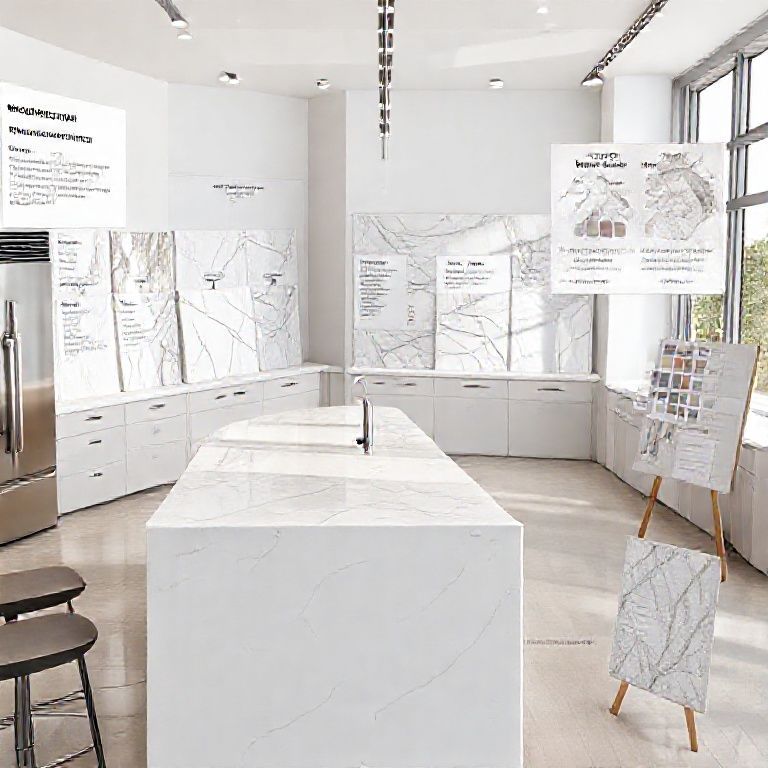
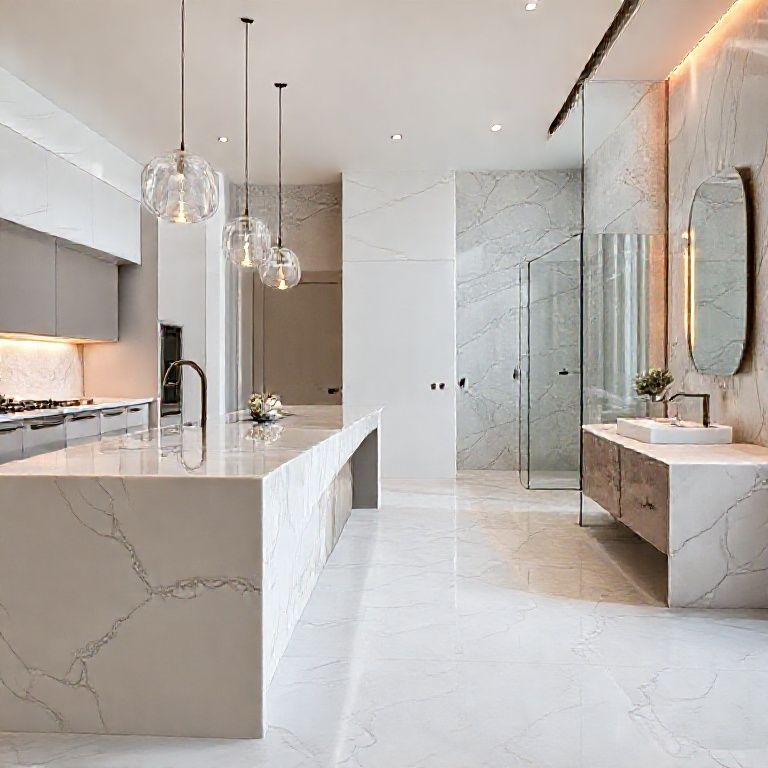
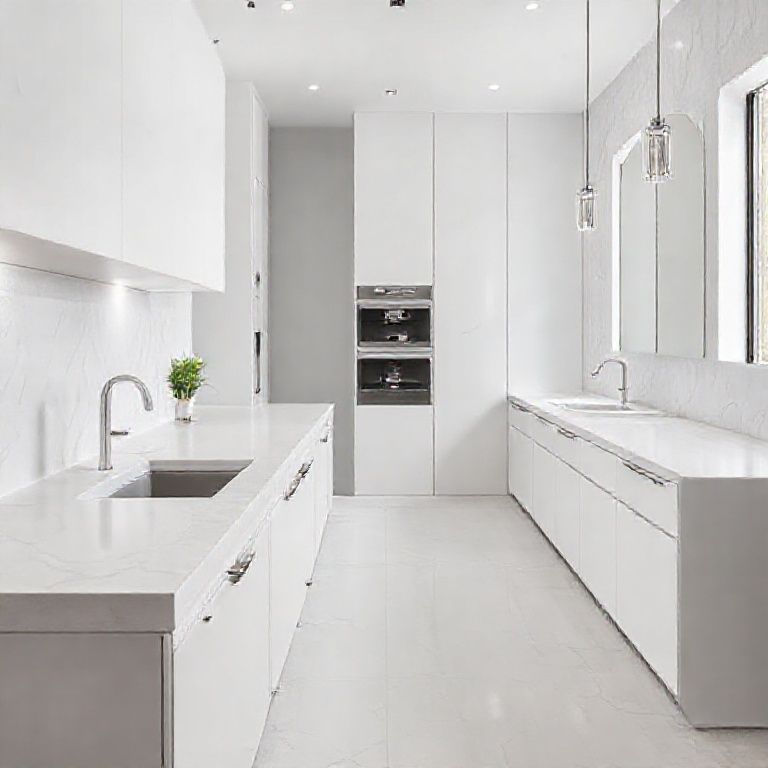
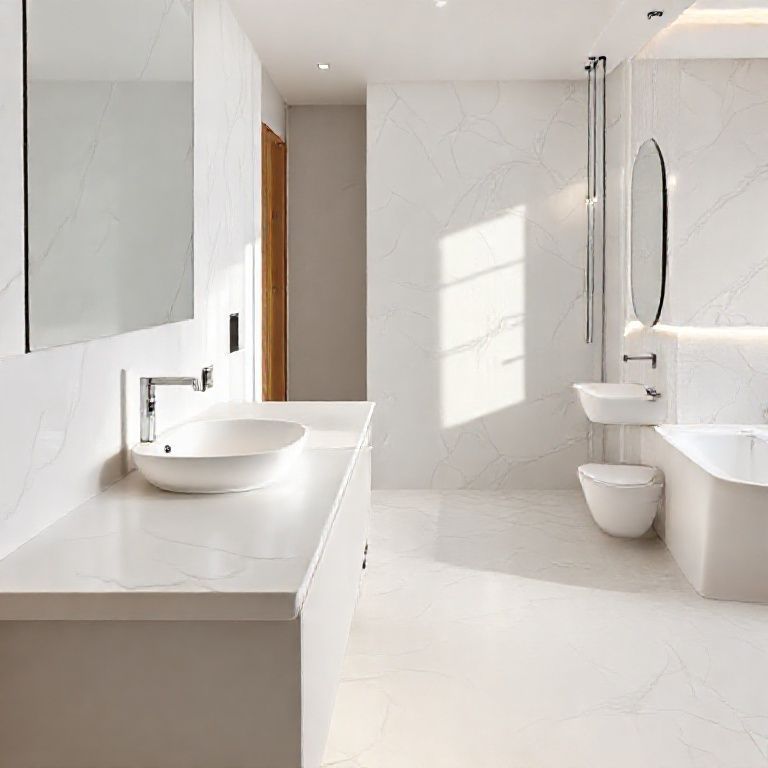
Curious about the safety of artificial marble? In this comprehensive exploration, we dive deep into the science behind artificial marble, examining whether it poses any radiation risks to human health. From the materials used in its creation to the implications for everyday use, we leave no stone unturned. Join us as we uncover the truth behind artificial marble and its effects on your well-being.
artificial marble, radiation risks, health safety, marble safety, non-toxic materials, composite stone, countertop safety, indoor pollution, radiation-free materials
${part1}
Unveiling the Mysteries of Artificial Marble: Does It Pose Radiation Risks?
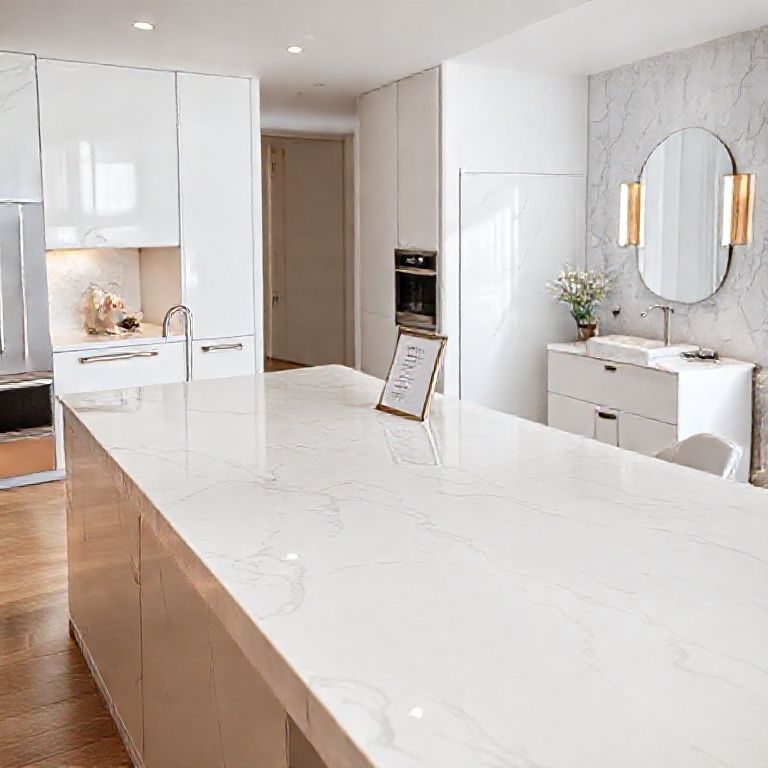
In the realm of modern home decor, artificial marble has emerged as a popular choice for countertops, sinks, and other surfaces due to its stunning appearance and durability. Yet, amid its growing popularity, a question persists: does artificial marble pose radiation risks to human health? This article seeks to unravel the complexities surrounding this material, shedding light on its composition, production processes, and potential health implications.
Understanding Artificial Marble: Composition and Creation
Artificial marble, also known as composite stone, is a man-made material crafted from a blend of minerals, resins, and pigments. Unlike natural marble, which is a form of metamorphic rock composed primarily of calcium carbonate, artificial marble is synthesized in laboratories through meticulous processes. The primary components of artificial marble include:
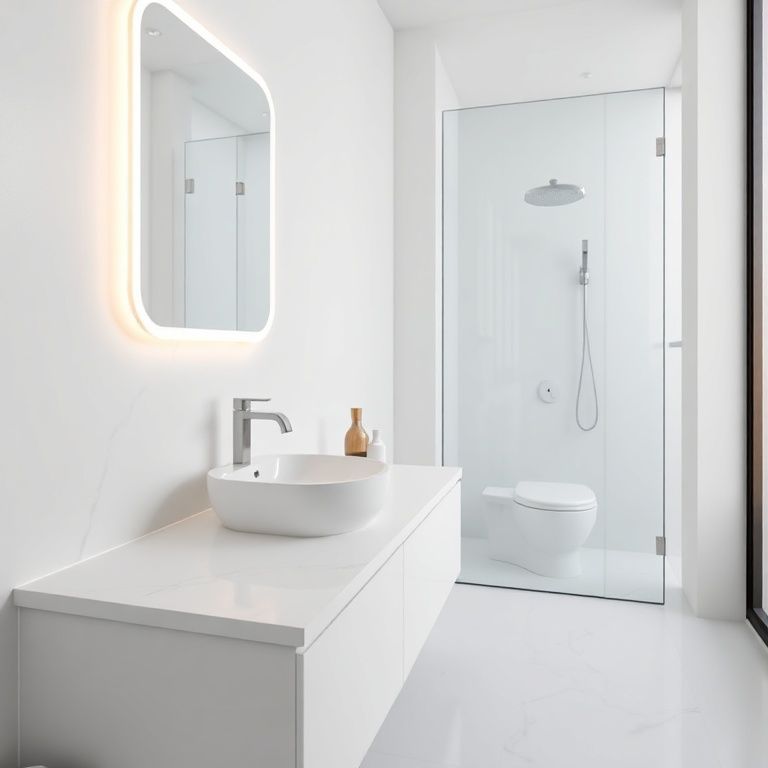
Quartz Aggregates: Finely ground quartz particles form the base of artificial marble, contributing to its strength and durability. Resins: Synthetic resins, often made from melamine or polyester, act as a binding agent, holding the quartz particles together and giving the material its characteristic hardness. Pigments: Various pigments are incorporated to achieve the desired color and aesthetic appeal.
The Production Process: Unveiling the Science
The creation of artificial marble involves several stages, each designed to ensure the final product meets stringent quality standards:
Mixing: Quartz aggregates, resins, and pigments are thoroughly mixed to form a homogeneous slurry. Molding: The slurry is poured into molds and subjected to high pressure and temperature to facilitate the curing process. Curing: The molds are heated to accelerate the curing of the resin, resulting in a solid, monolithic block of artificial marble. Cutting and Finishing: The cured blocks are cut into desired shapes and polished to achieve a smooth, polished surface.
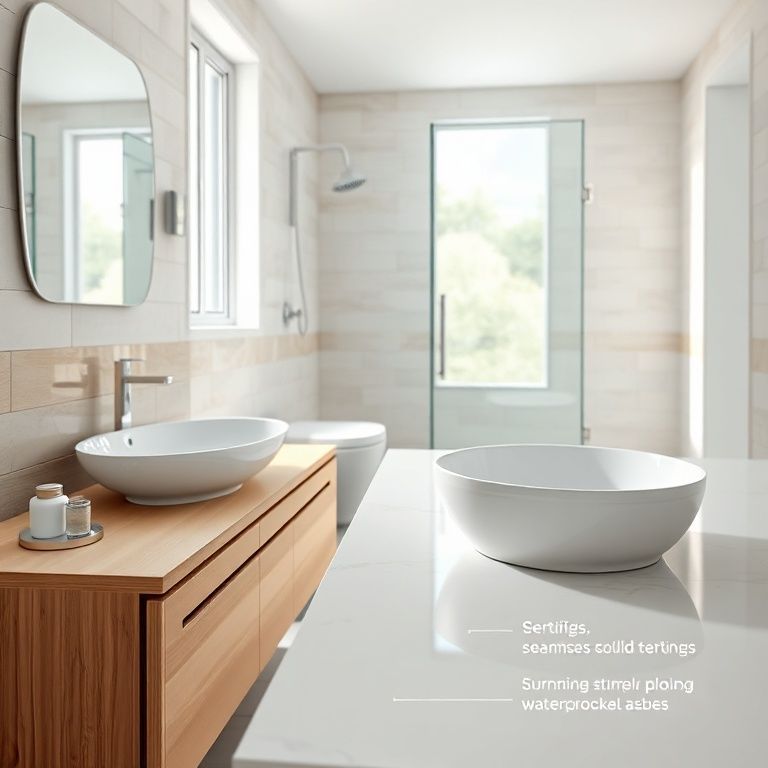
Radiation and Artificial Marble: Addressing Concerns
One of the primary concerns surrounding artificial marble revolves around its potential to emit radiation. To address this issue, it is crucial to understand the nature of radiation and its sources:
Natural Radiation: The Earth is constantly bombarded by natural radiation from cosmic rays, terrestrial sources, and internal body radiation. This background radiation is a natural part of life and is generally harmless in small doses. Man-Made Radiation: Certain industrial processes and consumer products may emit radiation, raising concerns about potential health risks. However, the materials used in artificial marble do not inherently possess radioactive properties.
Scientific Evidence: Assessing Health Risks
To determine whether artificial marble poses radiation risks, it is essential to examine scientific studies and regulatory guidelines:
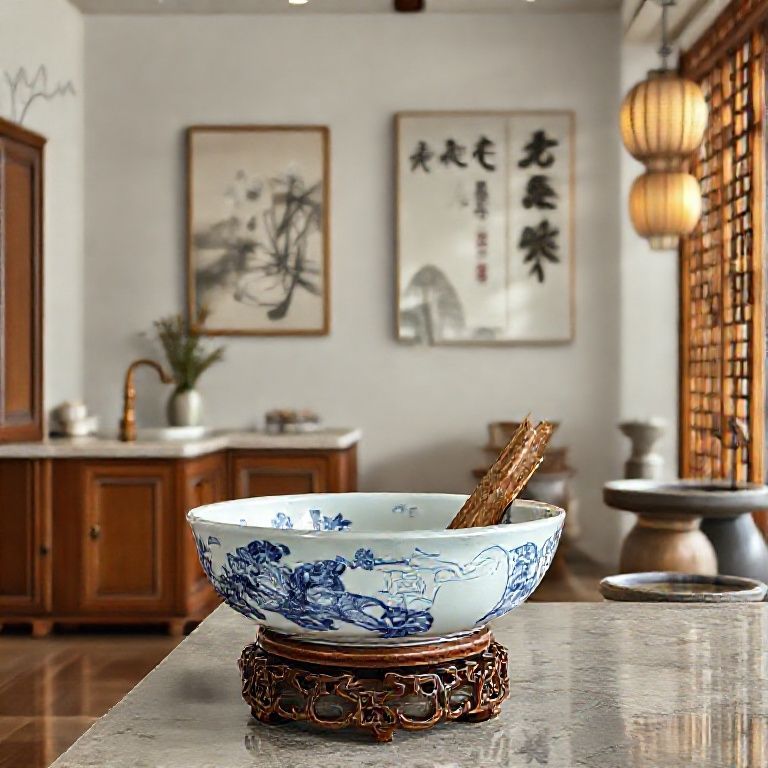
Material Composition: The primary components of artificial marble—quartz, resins, and pigments—are not radioactive. Quartz, in particular, is a common mineral found in the Earth’s crust and is not known to emit radiation. Regulatory Standards: Regulatory bodies such as the Environmental Protection Agency (EPA) and the International Agency for Research on Cancer (IARC) have evaluated the safety of materials used in artificial marble. These assessments have found no evidence to suggest that artificial marble emits harmful levels of radiation.
Practical Implications: Safe Usage of Artificial Marble
Understanding the safety of artificial marble extends beyond scientific evidence to practical considerations for everyday use:
Home Decor: When used as countertops, sinks, or decorative elements, artificial marble does not pose a radiation risk. The material is inert and does not emit radiation under normal conditions. Maintenance: Proper maintenance of artificial marble surfaces ensures their longevity and safety. Regular cleaning with mild detergents and avoiding harsh chemicals will help preserve the material’s integrity. Indoor Environment: While artificial marble is a safe material, it is essential to maintain a clean and well-ventilated indoor environment to minimize exposure to any potential pollutants or contaminants.
Conclusion: Reassurance in Artificial Marble
In conclusion, artificial marble is a safe and reliable material for various applications in home decor and beyond. The composition of artificial marble, including quartz, resins, and pigments, does not contain radioactive elements. Regulatory standards further affirm the safety of materials used in its production. Therefore, individuals can confidently incorporate artificial marble into their living spaces without concerns about radiation risks to health.
${part2}
Exploring Alternatives: Ensuring Health and Safety Beyond Artificial Marble
While artificial marble has been thoroughly examined for radiation risks, it is also prudent to consider alternative materials and practices that prioritize health and safety in interior design. This article explores various options, highlighting their benefits and potential drawbacks to help make informed choices for a safer living environment.
Natural Stone Alternatives: Assessing Safety and Benefits
Natural stone, such as granite, marble, and quartzite, offers a timeless appeal and a unique aesthetic. However, it is essential to evaluate their safety and sustainability:
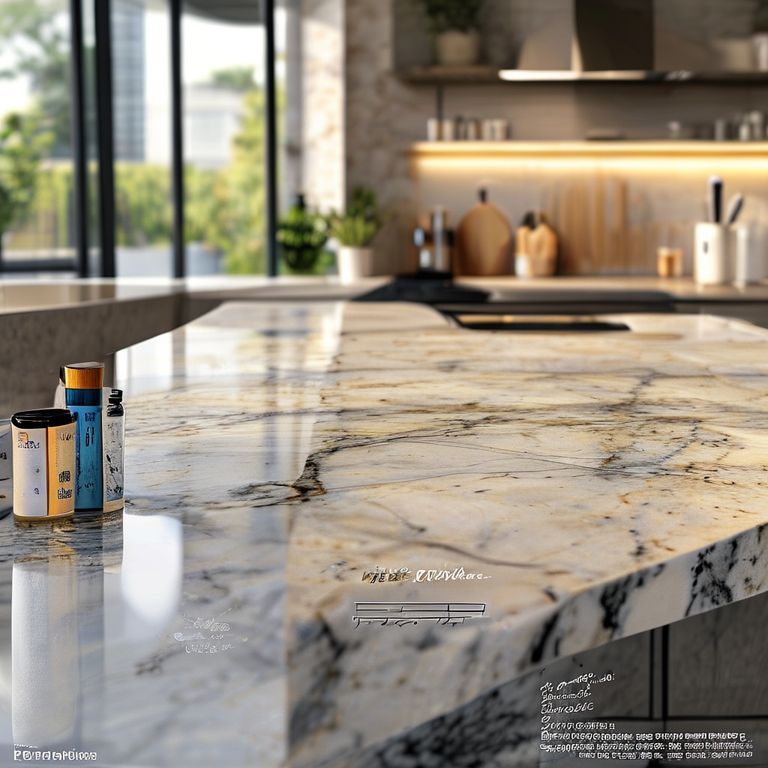
Granite: Composed primarily of quartz, feldspar, and mica, granite is a durable and attractive material. However, some natural stones contain trace amounts of naturally occurring radioactive materials (NORM). The levels of radiation are generally low and pose minimal health risks. Nevertheless, sourcing from reputable suppliers ensures the material’s safety.
Marble: Natural marble is a metamorphic rock with a rich history and aesthetic appeal. While it is generally safe, the potential for trace elements to emit low levels of radiation must be considered. Additionally, marble is more prone to staining and requires regular maintenance.
Quartzite: Quartzite is a metamorphosed form of sandstone composed mainly of quartz. It is highly durable and resistant to staining, making it a popular choice for countertops and other surfaces. Like granite, quartzite contains trace amounts of NORM, but the radiation levels are negligible.
Eco-Friendly Materials: Sustainable Choices for Health and Safety
With growing awareness of environmental impact, eco-friendly materials have gained popularity as sustainable alternatives:
Bamboo Composite: Bamboo is a rapidly renewable resource, making it an environmentally friendly choice for countertops and other surfaces. Bamboo composite materials combine bamboo fibers with resins to create a durable and attractive product. These materials are non-toxic and pose no radiation risks.
Cork Composite: Cork, derived from the bark of cork oak trees, is another sustainable option. Cork composites combine cork fibers with resins to form a lightweight and resilient material. Cork is non-toxic and free from radiation risks, making it a safe choice for home decor.
Recycled Plastic Composite: Recycled plastic composites are made from post-consumer plastic waste, offering a sustainable alternative with a reduced environmental footprint. These materials are non-toxic and do not emit radiation, ensuring safety for users.
Innovations in Material Science: Future Directions for Safety
Advancements in material science continue to drive innovation in safe and sustainable materials for interior design:
Nanocomposites: Nanocomposites combine nanoparticles with traditional materials to create innovative, high-performance products. These materials can be engineered for enhanced strength, durability, and resistance to environmental factors. Importantly, nanocomposites can be designed to exclude radioactive elements, ensuring safety.
Bio-Based Materials: Research into bio-based materials derived from plant-based sources is expanding. These materials offer sustainable alternatives with minimal environmental impact. Bio-based composites can be tailored to meet specific performance criteria while maintaining safety.
Practical Tips for Safe Material Selection
When selecting materials for home decor, consider the following practical tips to ensure health and safety:
Research Suppliers: Choose reputable suppliers who adhere to safety standards and provide transparent information about the materials used. Certifications from recognized organizations can provide additional assurance.
Test for Contaminants: Conduct tests for contaminants, including heavy metals and volatile organic compounds (VOCs), to ensure the material is free from harmful substances. Many suppliers offer testing services for peace of mind.
Maintenance Practices: Follow recommended maintenance practices to preserve the integrity and safety of the chosen material. Regular cleaning and avoiding exposure to harsh chemicals are essential.
Final Thoughts: Making Informed Choices for a Safer Home
In conclusion, understanding the safety and health implications of materials used in interior design is crucial for creating a healthy living environment. Artificial marble, composed of non-radioactive elements, is a safe and durable option. However, exploring natural stone, eco-friendly, and innovative materials can provide additional choices that prioritize health and sustainability. By researching suppliers, testing for contaminants, and following proper maintenance practices, individuals can make informed choices that contribute to a safer and more environmentally conscious home.
This detailed exploration of artificial marble and its potential radiation risks, coupled with insights into alternative materials, aims to provide a comprehensive understanding of safe and sustainable options for modern home decor.