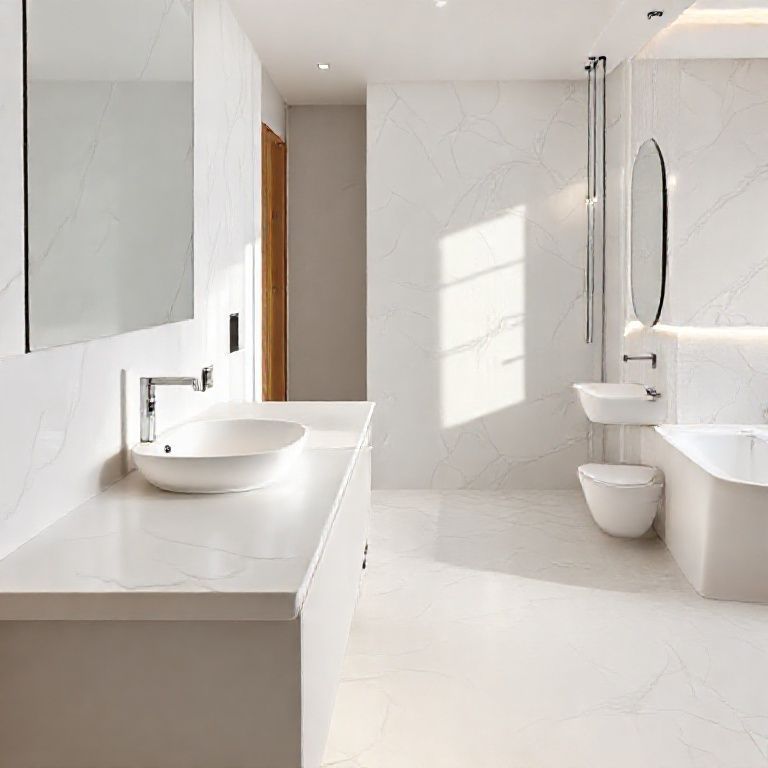
Discover the differences between engineered marble and natural marble in this comprehensive guide. Learn the distinguishing features, benefits, and applications of both types to make an informed decision for your next renovation project. Whether you’re a homeowner or a designer, understanding the nuances of these materials will help you choose the best option for your needs.
engineered marble, natural marble, stone differentiation, material selection, renovation, durability, aesthetics, cost-effectiveness, installation, maintenance
Differentiating Between Engineered Marble and Natural Marble: A Comprehensive Guide
In the world of luxury flooring and countertops, marble remains one of the most coveted materials. Known for its timeless elegance and sophisticated appearance, marble continues to be a popular choice for homes and commercial spaces alike. However, within this category, there exists a crucial distinction that often goes unnoticed: the difference between engineered marble and natural marble. Understanding these differences can help you make a more informed decision, whether you are a homeowner looking to enhance your living space or a designer seeking the perfect material for your project.
What is Engineered Marble?
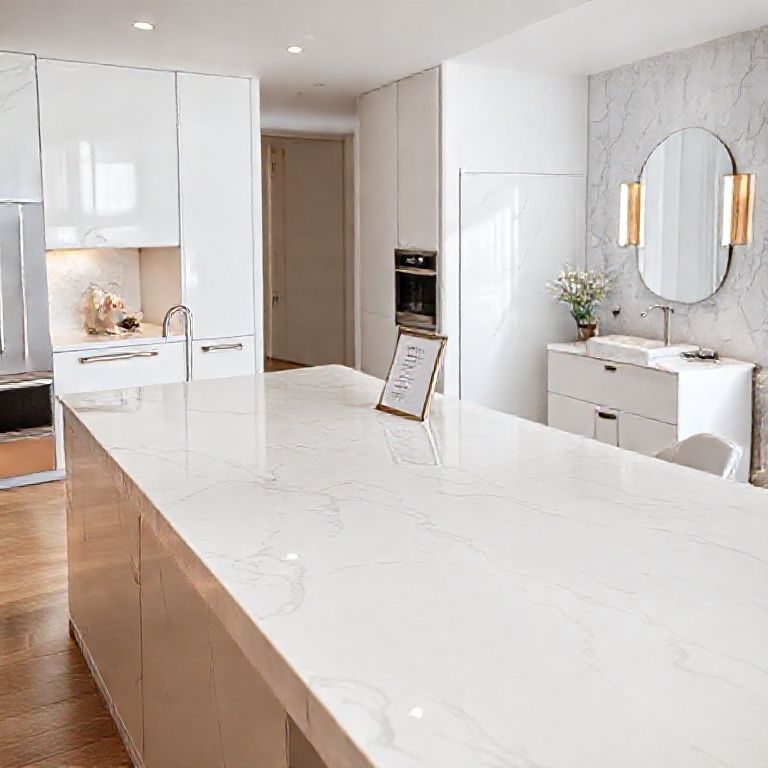
Engineered marble, often referred to as synthetic or composite marble, is a man-made material that combines natural stone with other substances, typically resins or other binding agents. This process creates a product that mimics the appearance and texture of natural marble but offers several unique advantages.
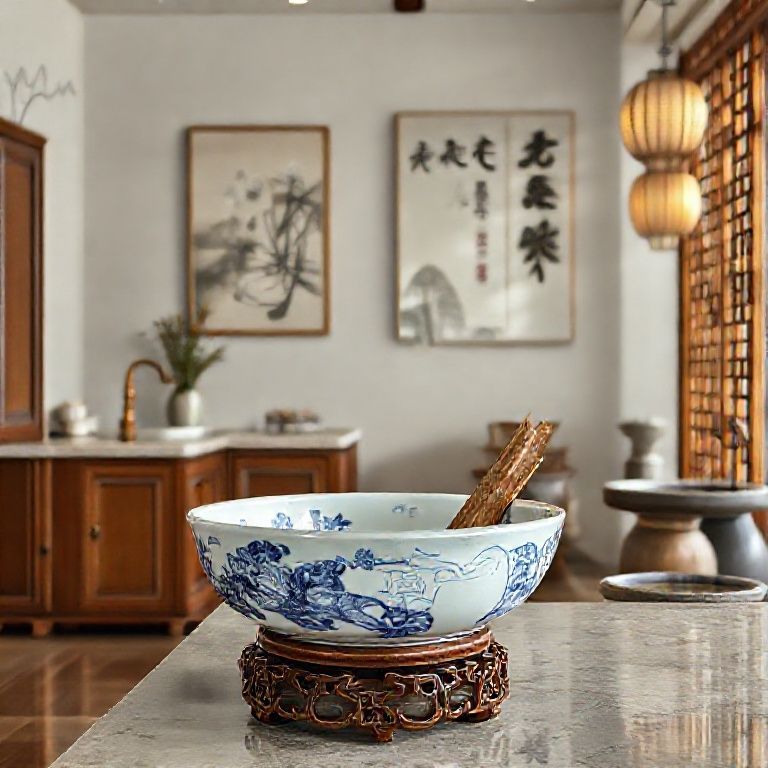
Key Characteristics of Engineered Marble:
Construction: Engineered marble is made by layering a surface of natural stone with a core made of plywood, composite resin, or other materials. This composite structure provides a solid, durable base that allows for intricate designs and patterns that replicate natural marble.
Durability: One of the primary benefits of engineered marble is its durability. Because it is not a monolithic piece, it does not experience the same kind of chipping and cracking as natural marble. This makes it an excellent choice for high-traffic areas where durability is crucial.
Thickness: Engineered marble slabs are typically manufactured in standard thicknesses, usually around 1.5 to 2 inches. This uniformity makes installation easier and more predictable compared to natural marble, which can vary significantly in thickness.
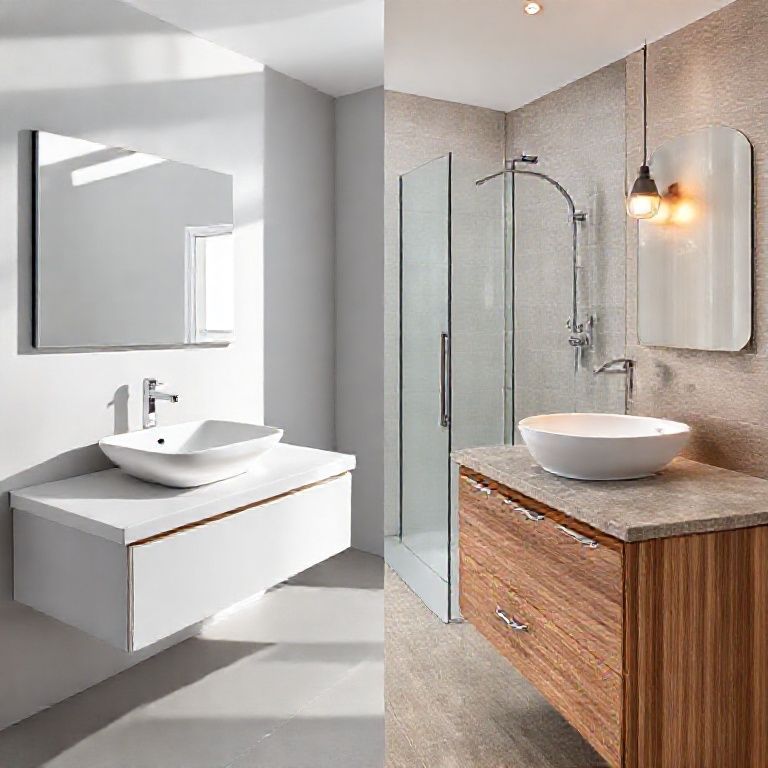
Weight: Due to the inclusion of composite materials in its construction, engineered marble is generally lighter than natural marble. This can simplify the installation process, especially in areas where heavy materials might pose a challenge.
Applications of Engineered Marble:
Engineered marble is versatile and can be used in various applications, from countertops to flooring, bathroom vanities, and even backsplashes. Its durability and ease of installation make it a popular choice for both residential and commercial projects.
What is Natural Marble?
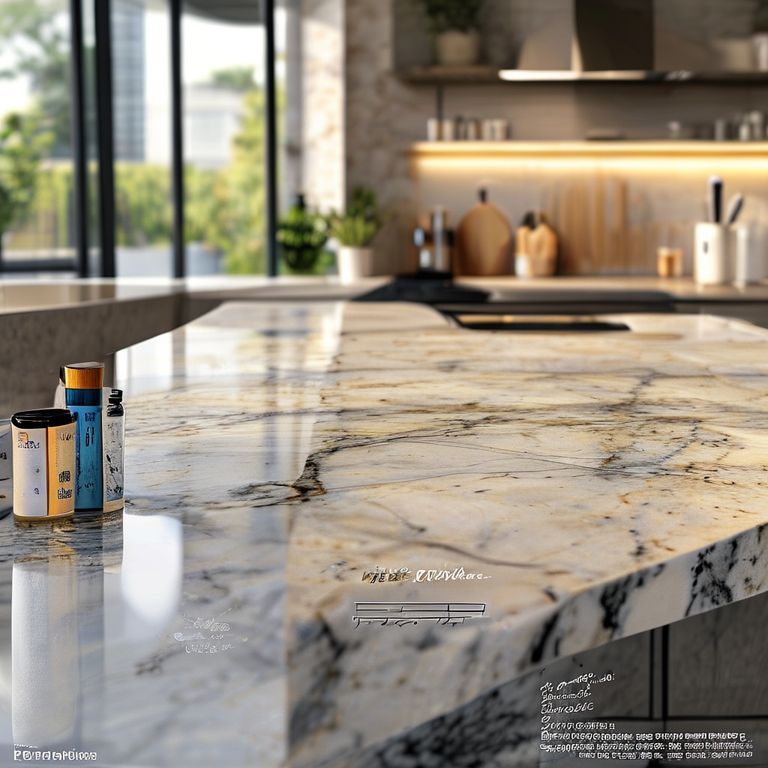
Natural marble, on the other hand, is a true geological wonder. It forms when limestone undergoes a process of metamorphism, where it is subjected to heat and pressure over millions of years. This transformation results in a unique and intricate pattern of veins and colors, making each piece of natural marble one-of-a-kind.
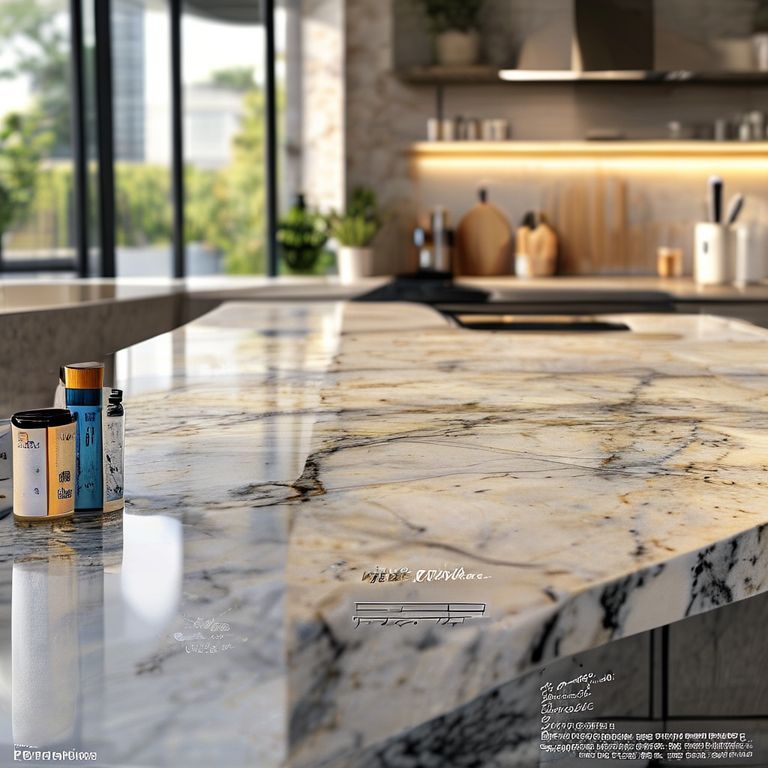
Key Characteristics of Natural Marble:
Formation: Natural marble is formed through a natural geological process involving the metamorphic transformation of limestone. This results in a product that is inherently unique, with a distinct pattern and color that can vary widely from one piece to another.
Authenticity: The most significant advantage of natural marble is its authenticity. Because it is a naturally occurring material, it offers a level of sophistication and elegance that is unmatched by any synthetic alternative.
Variability: Natural marble is inherently variable. Each piece is unique, which means that no two slabs are exactly alike. This variability can be both a blessing and a curse, as it requires careful selection and sometimes a bit of luck to find the perfect piece for your needs.
Maintenance: Natural marble requires careful maintenance to preserve its beauty. It is prone to staining and etching, which can be mitigated with regular sealing and proper care.
Applications of Natural Marble:
Natural marble is often used in settings where its unique beauty and authenticity are prized. It is a popular choice for high-end countertops, flooring, and decorative elements in homes, offices, and public spaces. Its timeless elegance makes it a standout choice for locations where a luxurious and sophisticated aesthetic is desired.
Comparative Analysis
When deciding between engineered and natural marble, several factors come into play, including cost, durability, installation, and maintenance.
Cost:
Engineered Marble: Generally more affordable than natural marble, engineered marble offers a cost-effective solution without sacrificing the appearance of natural stone. It allows for a wider range of designs and patterns without the price tag of authentic marble.
Natural Marble: Due to its unique and rare nature, natural marble tends to be more expensive. The cost can vary significantly based on the quality, pattern, and size of the piece.
Durability:
Engineered Marble: Engineered marble is designed to be more durable than natural marble. The composite construction protects against chipping and cracking, making it ideal for high-traffic areas.
Natural Marble: While natural marble is beautiful, it is more prone to damage from staining and etching. It requires regular sealing and maintenance to preserve its appearance.
Installation:
Engineered Marble: The uniformity and standard thickness of engineered marble make it easier to install. It can be cut and shaped on-site with relative ease, and it does not require specialized tools or techniques.
Natural Marble: The variability and unique nature of natural marble can make installation more challenging. It often requires more precise cutting and may need specialized tools to achieve the desired fit.
Maintenance:
Engineered Marble: Engineered marble requires less maintenance compared to natural marble. It is more resistant to staining and etching, which means it can be cleaned with standard cleaning solutions.
Natural Marble: Natural marble requires regular sealing to prevent staining and etching. It needs careful cleaning to maintain its beauty, which can be a time-consuming process.
Conclusion
The choice between engineered and natural marble ultimately comes down to your specific needs and preferences. Engineered marble offers a cost-effective, durable, and easy-to-install alternative that closely mimics the appearance of natural marble. Natural marble, with its unique and authentic beauty, provides an unparalleled level of elegance and sophistication that can elevate any space.
By understanding the differences between these two materials, you can make a more informed decision that aligns with your aesthetic goals, budget, and maintenance considerations. Whether you opt for the timelessness of natural marble or the practicality of engineered marble, both options have their own unique advantages that can enhance your space in beautiful and meaningful ways.
Differentiating Between Engineered Marble and Natural Marble: A Comprehensive Guide
As we continue our exploration of engineered marble versus natural marble, it’s essential to delve deeper into the nuances that distinguish these two materials. The insights gained will help you make a well-informed choice for your next renovation or design project.
Visual and Textural Differences
One of the most apparent distinctions between engineered and natural marble lies in their visual and textural qualities. While both materials aim to replicate the elegance of natural marble, they achieve this in different ways.
Engineered Marble:
Pattern and Color: Engineered marble is manufactured to mimic the intricate patterns and colors of natural marble. However, because it is a composite material, its patterns are often more uniform and consistent. This uniformity allows designers and builders to create slabs with specific designs and color schemes that replicate natural marble.
Surface Texture: The surface of engineered marble is typically smooth and polished, much like natural marble. However, because it is made from a combination of natural stone and resin, it may lack some of the subtle textural variations found in natural marble. The surface can be finished to a high degree of polish, making it suitable for a variety of applications.
Natural Marble:
Pattern and Color: Natural marble is renowned for its unique and varied patterns. Each piece of natural marble is one-of-a-kind, with a combination of veins and colors that create a distinct and beautiful design. This variability is one of the most significant advantages of natural marble, as it offers an authentic and genuine aesthetic that cannot be replicated by engineered alternatives.
Surface Texture: The texture of natural marble is often more complex and varied than that of engineered marble. It features subtle variations in grain and texture that contribute to its natural beauty. The surface may have slight imperfections, such as small pits or unevenness, which add to its character and uniqueness.
Material Composition and Structure
Understanding the composition and structure of both engineered and natural marble provides valuable insights into their properties and applications.
Engineered Marble:
Material Composition: Engineered marble is made by combining layers of natural stone, usually limestone or other types of stone, with a resin or other binding material. The top layer is typically a thin slice of natural stone that is bonded to a core made of plywood or composite material. This combination provides a strong and durable surface while maintaining the appearance of natural marble.
Structure: The structure of engineered marble is composite, meaning it is made up of multiple layers bonded together. This construction allows for greater control over the final product’s appearance and durability. Engineered marble slabs are typically manufactured in standard thicknesses, making them easier to install and more predictable in performance.
Natural Marble:
Material Composition: Natural marble is formed through a process of metamorphism, where limestone is subjected to heat and pressure over millions of years. This transformation results in a solid, monolithic piece of stone that retains the original characteristics of the limestone.
Structure: The structure of自然大理石是一种单一的、天然形成的石材,其内部结构和化学成分均来源于自然界。由于其是原始的地质形成物,因此在结构上具有复杂的、独特的纹理和颜色。
环境和可持续性
Engineered Marble:
Sustainability: Engineered marble is produced in factories, where the materials can be sourced sustainably and controlled to minimize environmental impact. However, the production process does involve the use of resins and other binding agents, which can raise concerns about environmental sustainability and the release of volatile organic compounds (VOCs).
Environmental Impact: The environmental impact of engineered marble is generally lower than that of natural marble extraction. Quarrying natural marble can lead to significant environmental degradation, including habitat destruction and pollution.
Natural Marble:
Sustainability: The sustainability of natural marble is a complex issue. While it is a natural resource, extracting it often involves extensive quarrying, which can have significant environmental impacts. Sustainable practices in mining and processing are crucial to mitigate these impacts.
Environmental Impact: The extraction and transportation of natural marble can lead to habitat destruction, pollution, and other environmental concerns. However, with responsible mining practices, the environmental impact can be minimized.
Chemical Resistance and Maintenance
Engineered Marble:
Chemical Resistance: Engineered marble typically offers excellent resistance to stains and scratches, making it a durable choice for high-traffic areas. The composite nature of the material means it is less prone to etching and staining compared to natural marble.
Maintenance: Engineered marble requires minimal maintenance. It can be cleaned with standard cleaning solutions and does not need to be sealed as frequently as natural marble.
Natural Marble:
Chemical Resistance: Natural marble is more susceptible to stains and etching compared to engineered marble. It requires regular sealing to prevent staining and maintain its appearance.
Maintenance: The maintenance of natural marble involves regular cleaning and periodic sealing to protect against stains and etching. This can be a time-consuming process but is necessary to preserve its beauty and integrity.
Applications and Versatility
Engineered Marble:
Applications: Engineered marble is versatile and can be used in a wide range of applications, including countertops, flooring, bathroom vanities, and backsplashes. Its durability and ease of installation make it suitable for both residential and commercial projects.
Versatility: The composite nature of engineered marble allows for a wide range of designs and patterns, offering designers more flexibility in their projects.
Natural Marble:
Applications: Natural marble is often reserved for high-end projects where its unique beauty and authenticity are prized. It is commonly used for countertops, flooring, wall cladding, and decorative elements in homes, offices, and public spaces.
Versatility: While natural marble offers unparalleled aesthetic appeal, its variability can limit its versatility. Each piece is unique, which means that it may not always be feasible to create matching sets or large installations without significant effort and cost.
Cost Considerations
Engineered Marble:
Cost: Engineered marble is generally more affordable than natural marble. The manufacturing process and the ability to produce large, uniform slabs contribute to its lower cost. It offers a cost-effective solution that closely mimics the appearance of natural marble.
Natural Marble:
Cost: The cost of natural marble can vary significantly based on the quality, pattern, and size of the piece. High-quality natural marble can be extremely expensive, making it a more premium choice.
Conclusion
Choosing between engineered marble and natural marble involves weighing several factors, including cost, durability, maintenance, aesthetics, and environmental impact. Engineered marble offers a cost-effective, durable, and easy-to-install alternative that closely mimics the appearance of natural marble. Natural marble, with its unique and authentic beauty, provides an unparalleled level of elegance and sophistication that can elevate any space.
By understanding the differences between these two materials, you can make a well-informed decision that aligns with your aesthetic goals, budget, and maintenance considerations. Whether you opt for the timelessness of natural marble or the practicality of engineered marble, both options have their own unique advantages that can enhance your space in beautiful and meaningful ways.
Ultimately, the choice depends on your specific needs and preferences. For those seeking a durable, low-maintenance option with a natural look, engineered marble is an excellent choice. For those looking to add a touch of luxury and authenticity to their space, natural marble remains a timeless and elegant choice.