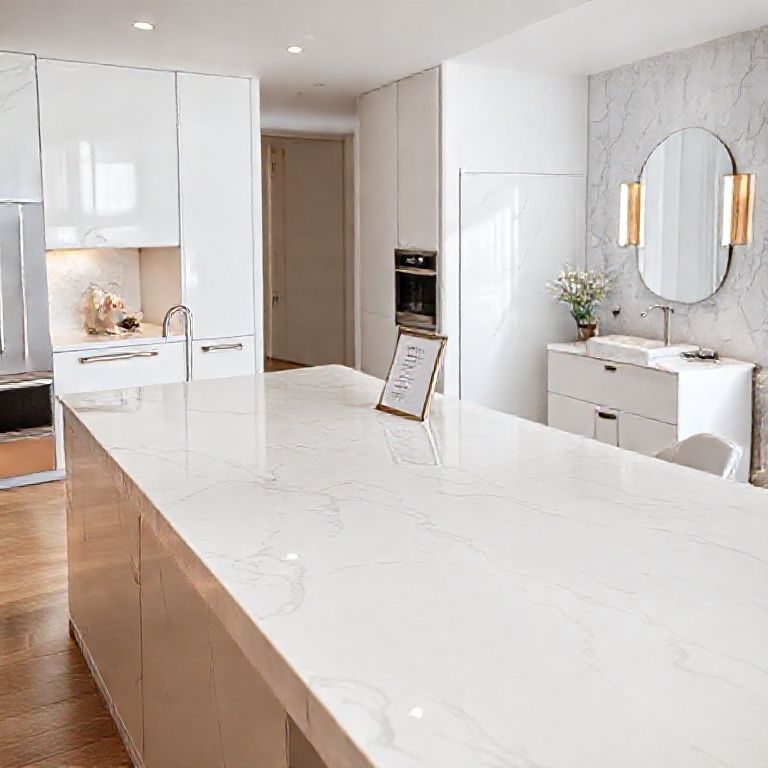
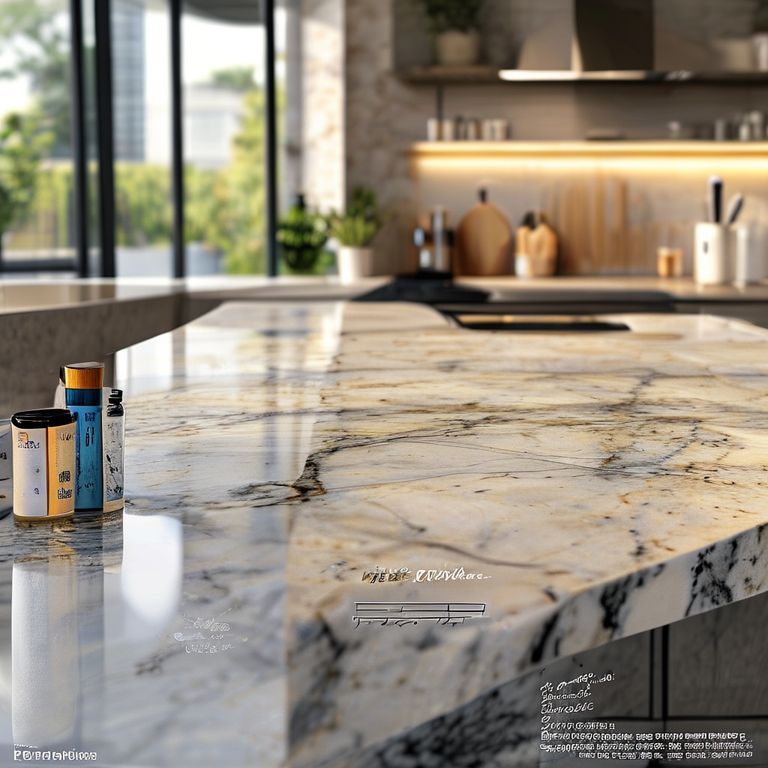
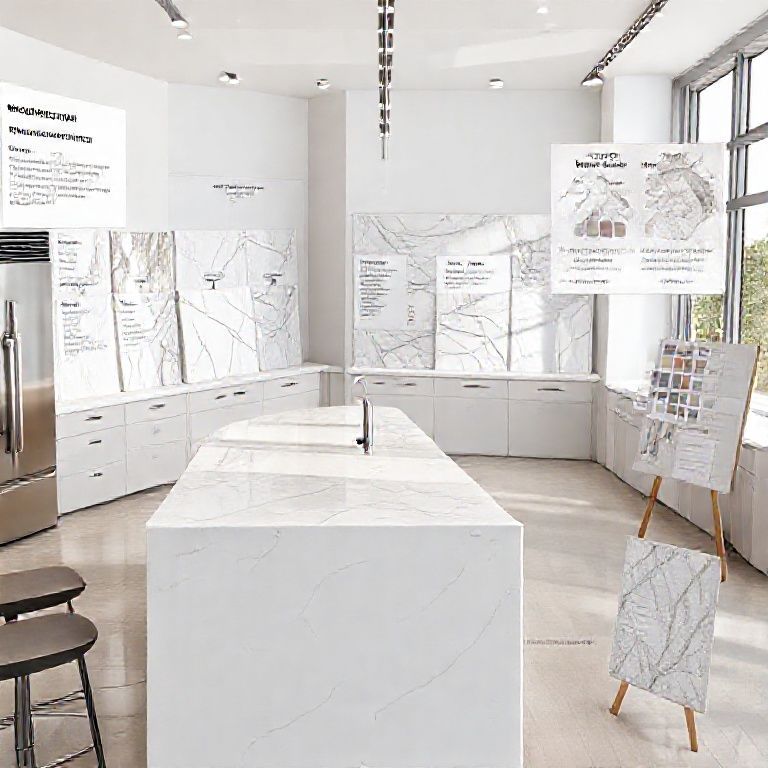
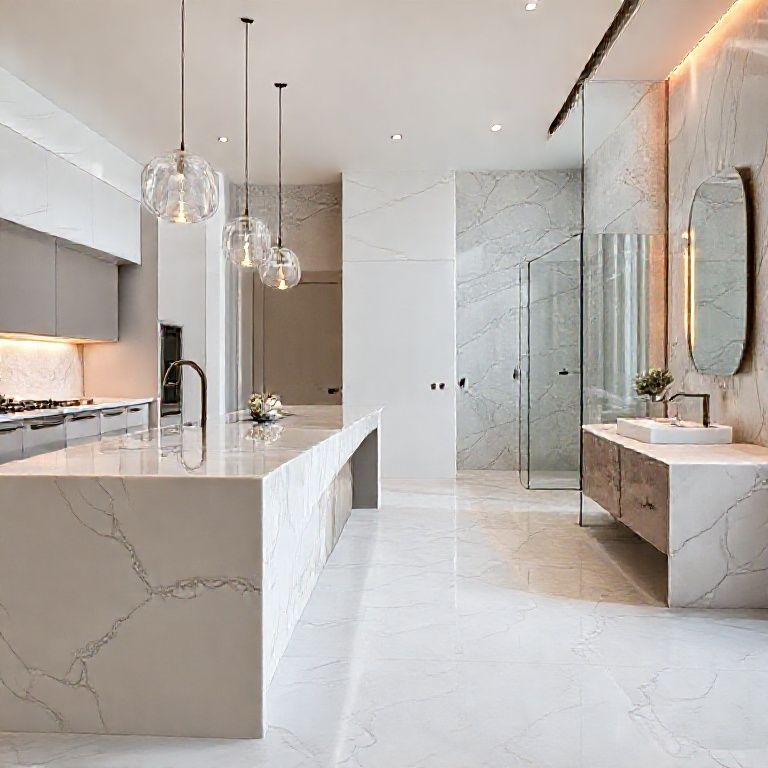
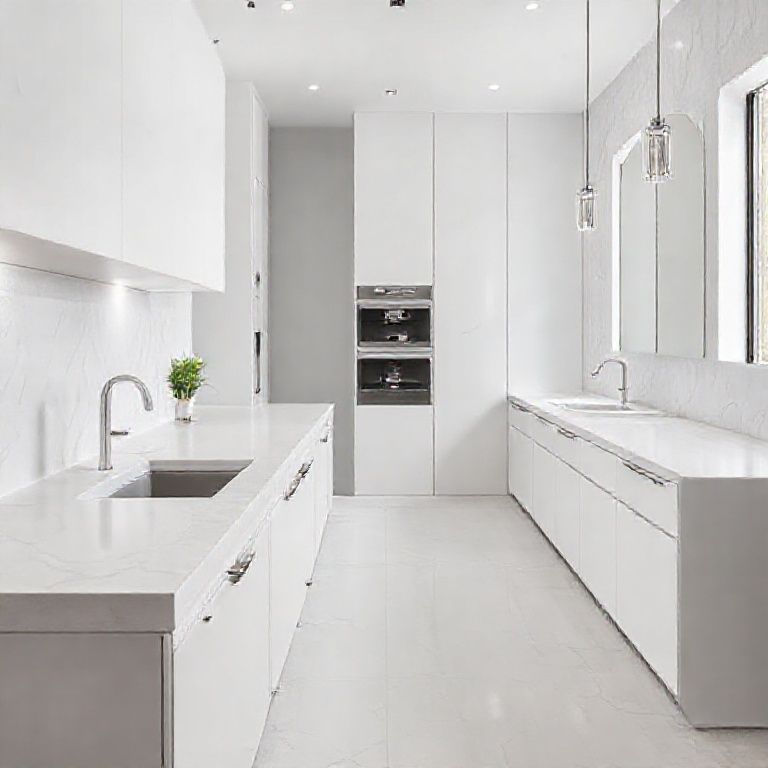
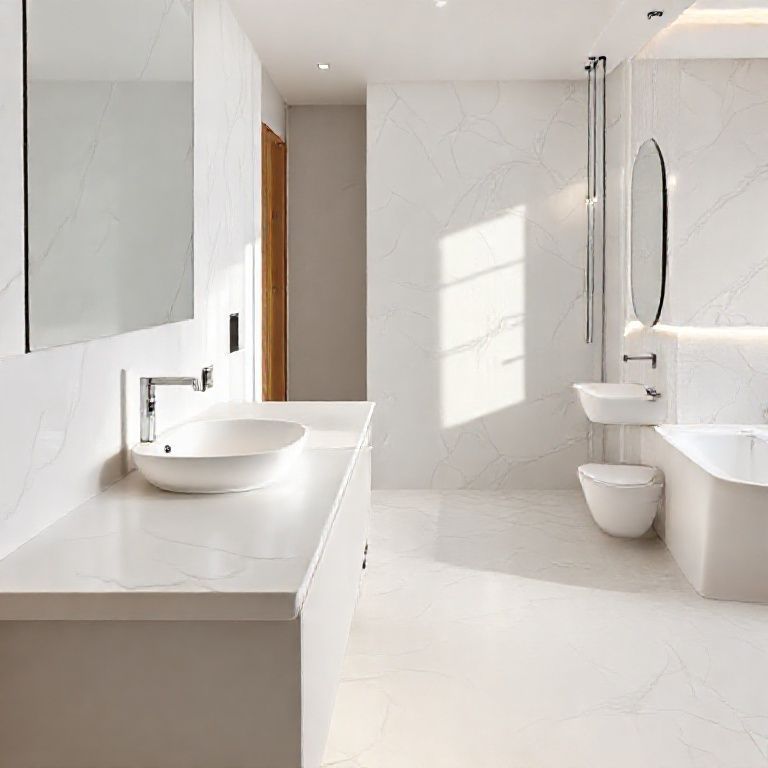
In the realm of luxury and elegance, marble has long been a symbol of opulence and timeless beauty. Whether it’s the pristine white veins of a Carrara marble slab or the rich, earthy tones of a Brazilian marble countertop, the allure of this exquisite natural stone has captivated designers and homeowners alike. However, as the demand for marble-like materials continues to rise, an alternative has emerged: artificial marble. In this first part of our comprehensive guide, we will delve into the fundamental differences between artificial and natural marble, exploring their origins, characteristics, and unique benefits.
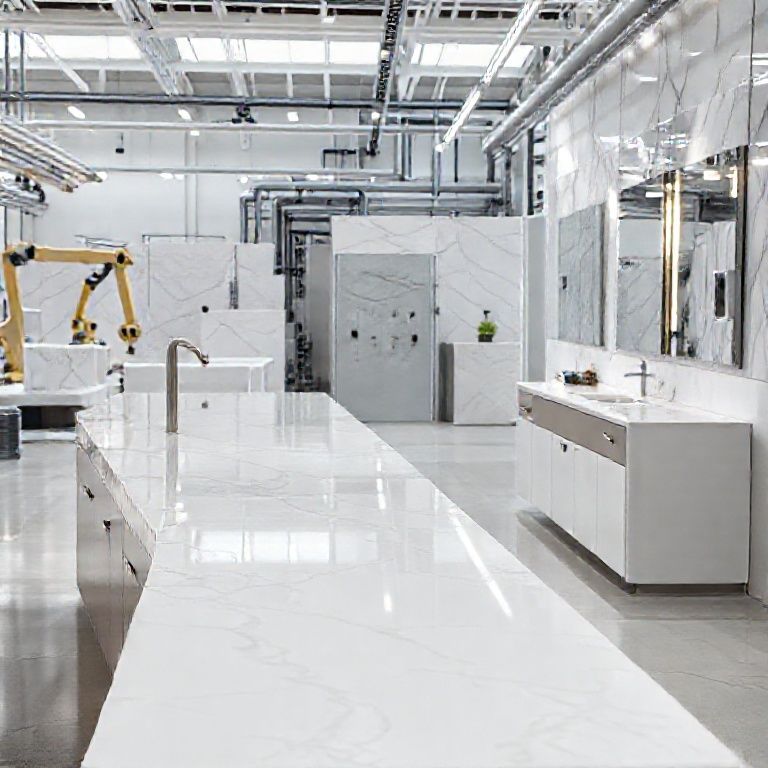
The Origins: Natural Marble vs. Artificial Marble
Natural marble is a metamorphic rock formed through the intense heat and pressure transformation of limestone over millions of years. This process creates a stone with intricate patterns, colors, and textures that are unique to each piece. The most famous natural marbles come from regions like Italy, Greece, and Brazil, each offering distinct aesthetic qualities and durability. Natural marble is celebrated for its one-of-a-kind beauty, which is a result of its geological formation.
Artificial marble, on the other hand, is a man-made composite material designed to mimic the appearance and qualities of natural marble. It is typically composed of a mixture of minerals, pigments, and resins that are pressed and cured to form a durable stone-like surface. The result is a versatile material that can replicate the look of natural marble while offering enhanced durability and design flexibility.
Characteristics and Aesthetic Appeal
Natural marble boasts a timeless and elegant aesthetic appeal, with its unique veining and color variations that can only be found in nature. The beauty of natural marble lies in its individuality; no two pieces are exactly alike, adding a personal touch and exclusivity to any space. Moreover, the natural patina that develops over time enhances its visual appeal, making it a favorite among those who appreciate the natural aging process.
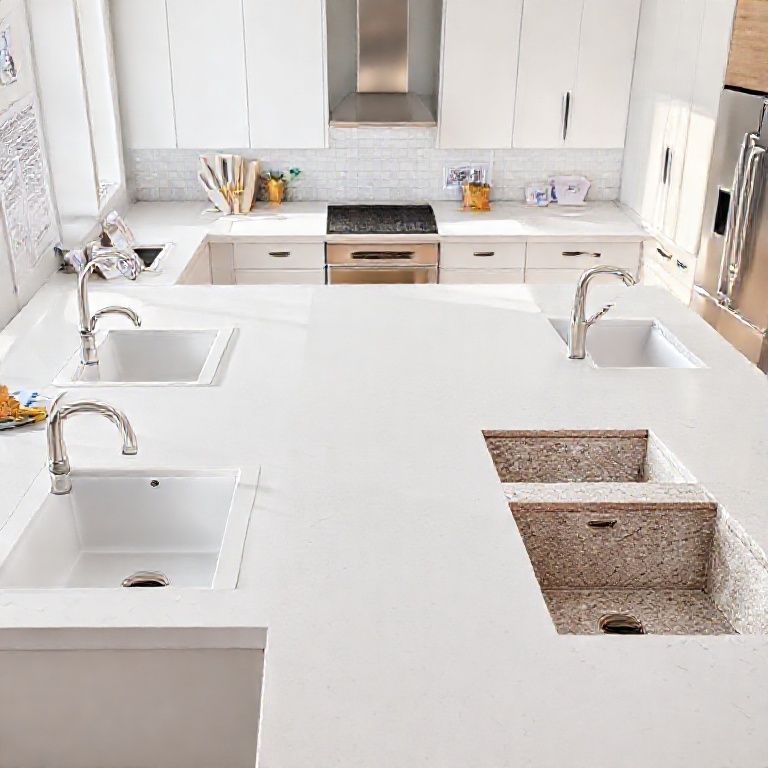
Artificial marble, while striving to replicate the look of natural marble, offers a level of uniformity and predictability that natural marble cannot match. The pigments and resins used in artificial marble allow for precise color matching and consistent patterns across pieces, making it an ideal choice for large-scale projects where uniformity is essential. Additionally, artificial marble’s design flexibility enables manufacturers to create intricate patterns and textures that would be difficult or impossible to achieve with natural stone.
Durability and Maintenance
When it comes to durability, natural marble stands out as a strong contender due to its dense, crystalline structure. However, this same structure also makes natural marble susceptible to scratches, stains, and etching from certain acids and chemicals. To maintain its pristine appearance, natural marble requires regular sealing and careful handling to prevent damage.
Artificial marble, with its composite nature, offers superior durability compared to natural marble. It is highly resistant to scratches, stains, and etching, making it an excellent choice for high-traffic areas where wear and tear are concerns. While artificial marble does require some maintenance, such as regular cleaning to remove surface grime, it does not necessitate the sealing and chemical treatments required for natural marble. This lower maintenance requirement translates to greater ease of care and longer-lasting beauty.
Cost Comparison
The cost of marble is often a significant factor in material selection, and here, the differences between natural and artificial marble become apparent. Natural marble tends to be more expensive due to its rarity, the complexity of its patterns, and the labor-intensive process of quarrying and polishing. The cost varies widely depending on the type of marble, its origin, and the specific qualities of the piece.
Artificial marble, while still a premium material, generally offers a more affordable alternative to natural marble. The lower cost is attributed to the ease of production and the ability to create large, uniform pieces without the variable factors that affect natural marble. This cost advantage makes artificial marble an attractive option for those looking to achieve a marble-like appearance without the premium price tag.
Applications and Versatility
Both natural and artificial marble have diverse applications across various industries, from high-end residential interiors to commercial spaces and architectural projects. Natural marble is often chosen for its aesthetic appeal and historical significance, making it a popular choice for countertops, flooring, and decorative elements in luxury homes and iconic buildings.
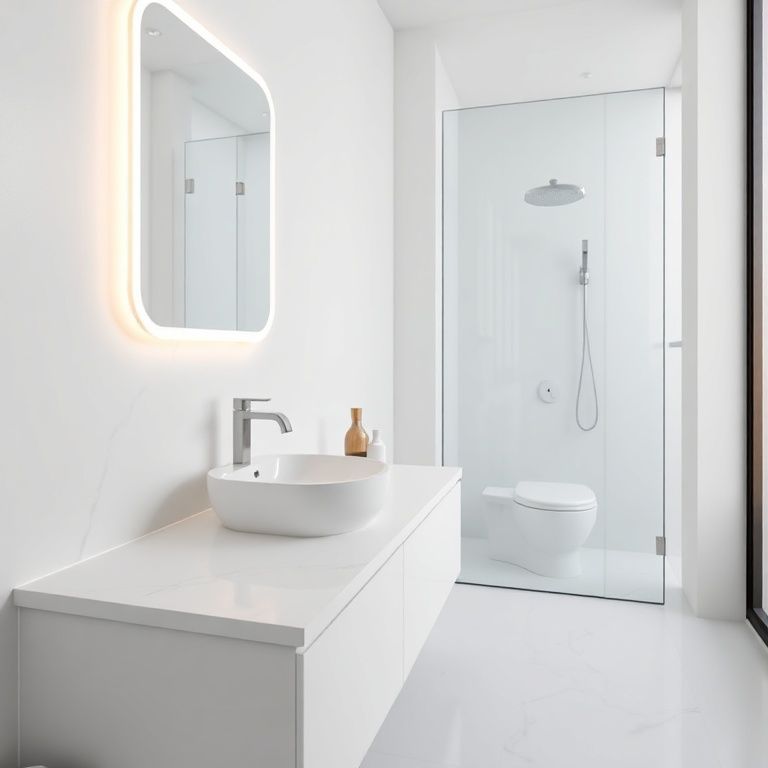
Artificial marble’s versatility shines in its ability to be used in a wide range of applications where durability and design flexibility are paramount. It is commonly used in countertops, backsplashes, and architectural elements in both residential and commercial settings. The ability to replicate the look of natural marble while offering enhanced durability and design freedom makes artificial marble a versatile choice for innovative design solutions.
In the second part of our comprehensive guide, we will continue to explore the distinctions between artificial and natural marble, focusing on their environmental impact, installation and design considerations, and the future of marble-like materials. This will provide a holistic view of both options, helping you make an informed decision based on your specific needs and preferences.
Environmental Impact
The environmental impact of materials is an increasingly important consideration for many consumers and businesses today. When evaluating the environmental footprint of natural versus artificial marble, several factors come into play, including the extraction process, transportation, and end-of-life disposal.
Natural marble extraction involves quarrying, a process that can have significant environmental consequences. Quarrying operations can lead to habitat destruction, water pollution, and the generation of large amounts of waste. Additionally, the transportation of natural marble from its source to the point of use can contribute to greenhouse gas emissions, depending on the distance and method of transport.
Artificial marble, on the other hand, offers a potentially more sustainable alternative. The production of artificial marble involves the use of industrial processes that can be optimized to minimize waste and energy consumption. Furthermore, the materials used in artificial marble are often more readily available and can be sourced more sustainably. While the manufacturing process does involve the use of chemicals and resins, advancements in technology are continuously improving the environmental impact of this process.
Installation and Design Considerations
The installation and design process for natural and artificial marble differ significantly due to their distinct characteristics and properties. When installing natural marble, careful consideration must be given to its inherent qualities, such as its porosity and susceptibility to staining. Professionals typically use specialized tools and techniques to ensure a precise and secure fit, often requiring additional steps like sealing and polishing to protect the surface.
Artificial marble, with its uniform and durable nature, offers greater ease in installation. The composite structure of artificial marble allows for a more straightforward fitting process, often requiring less preparation and finishing work. This simplicity translates to reduced labor costs and shorter installation times, making artificial marble an attractive option for projects with tight timelines and budgets.
From a design perspective, both natural and artificial marble offer unique possibilities. Natural marble’s one-of-a-kind patterns and colors provide a sense of authenticity and exclusivity that can enhance the aesthetic appeal of any space. The choice of natural marble often reflects a commitment to tradition and timeless beauty.
Artificial marble, with its design flexibility, allows for innovative and creative solutions. Designers can leverage the precise color matching and intricate patterns achievable with artificial marble to create custom designs that might be challenging to achieve with natural stone. This versatility makes artificial marble a popular choice for modern and contemporary designs where custom aesthetics are valued.
The Future of Marble-Like Materials
As technology continues to advance, the future of marble-like materials is poised for significant evolution. The ongoing development of artificial marble is focused on enhancing its durability, aesthetic appeal, and environmental sustainability. Innovations in composite materials and manufacturing processes are pushing the boundaries of what is possible, offering new possibilities for designers and builders.
The emergence of new materials that mimic the look and feel of marble while offering superior performance and sustainability is a promising trend. These materials often incorporate advanced technologies such as 3D printing and nanotechnology to create highly realistic and durable surfaces. The result is a new generation of marble-like materials that combine the beauty of natural marble with the practicality and sustainability of modern innovations.
Making an Informed Choice
When deciding between natural and artificial marble for your project, several factors should guide your choice. Consider the aesthetic goals of your space, the durability and maintenance requirements, and the budget constraints. Natural marble’s unique beauty and historical significance make it an exceptional choice for spaces where authenticity and timeless elegance are paramount.
On the other hand, artificial marble’s versatility, durability, and cost-effectiveness make it an excellent option for projects where design flexibility and long-lasting beauty are priorities. The advancements in artificial marble technology continue to narrow the gap between its appearance and the qualities of natural marble, offering a compelling alternative for those seeking a marble-like surface without the premium price.
In conclusion, both natural and artificial marble have their unique strengths and appeal. Understanding the differences between them allows you to make an informed choice that aligns with your aesthetic preferences, functional needs, and sustainability goals. Whether you opt for the timeless beauty of natural marble or the innovative versatility of artificial marble, both materials offer exceptional possibilities for creating stunning and enduring spaces.