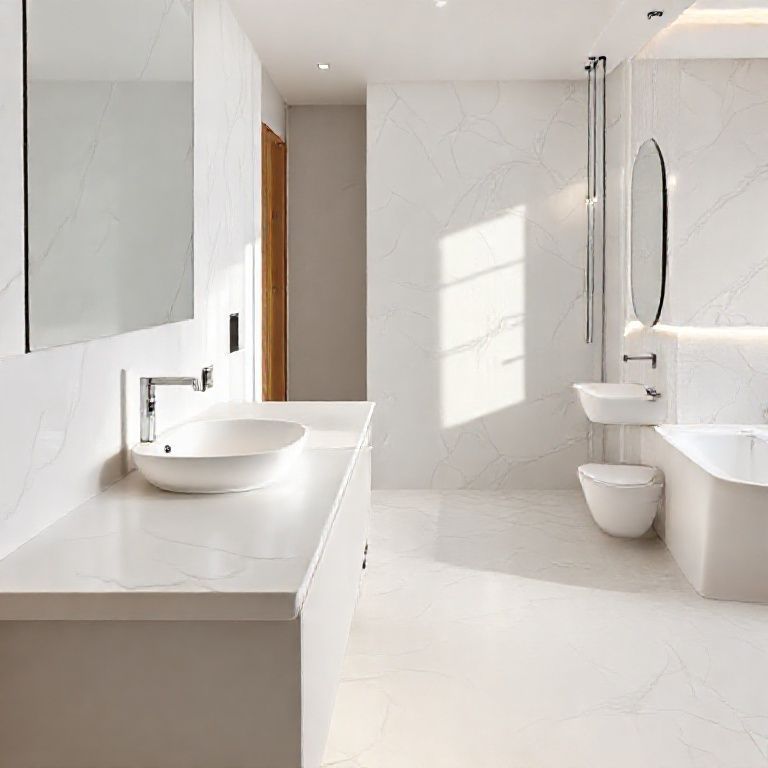
Engineered Marble vs. Natural Marble: Unveiling the Differences
When it comes to selecting the perfect material for countertops, flooring, or any other surface in your home or office, marble is a popular choice due to its timeless elegance and natural beauty. However, there is a crucial distinction to make between engineered marble and natural marble. Understanding these differences can help you make an informed decision that aligns with your aesthetic preferences and functional needs.
What is Engineered Marble?
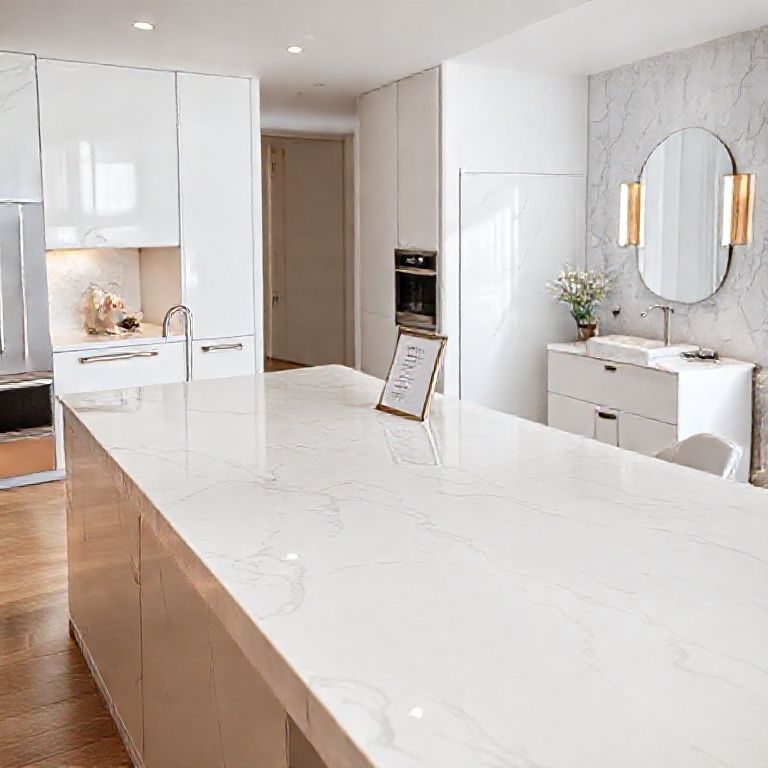
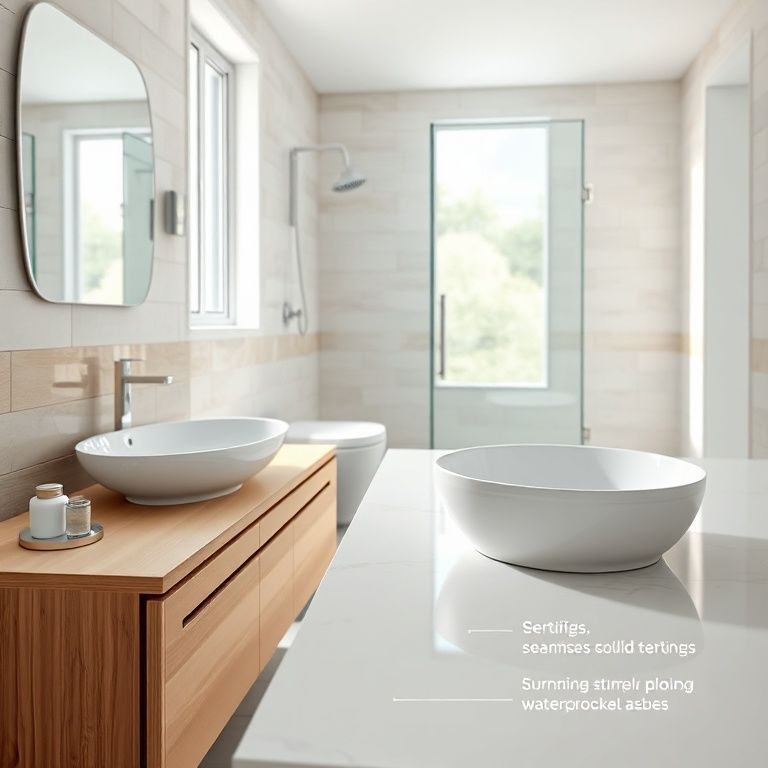
Engineered marble is a composite material made by bonding a layer of marble dust to a plywood core using a resin. This process creates a solid surface that mimics the appearance of natural marble but with enhanced durability and flexibility. Engineered marble slabs are available in a wide variety of colors and patterns, allowing for versatile design options. The main advantage of engineered marble is its uniformity and consistent quality, as the manufacturing process allows for precise control over the final product.
What is Natural Marble?
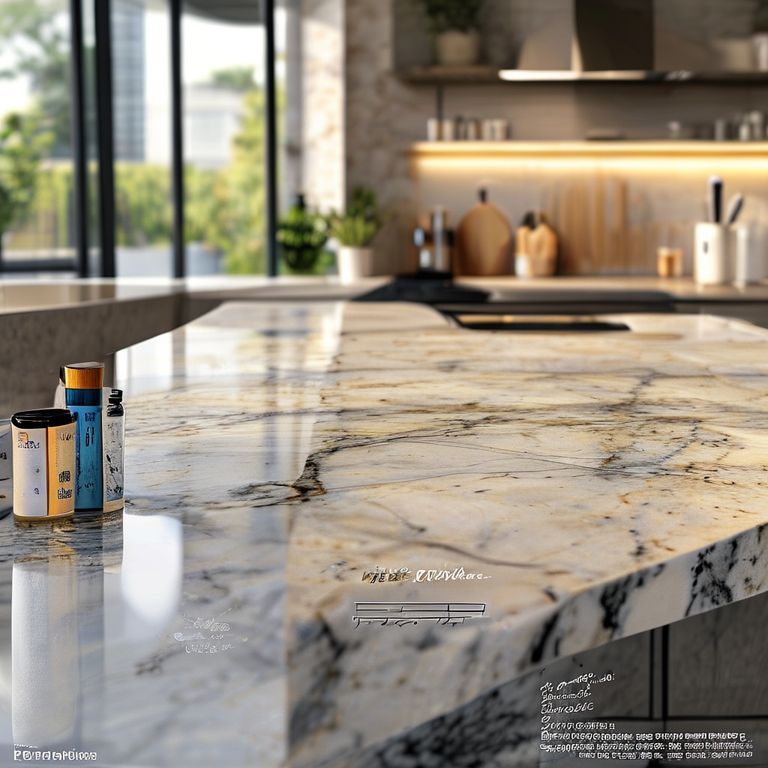
On the other hand, natural marble is a genuine stone formed from limestone or dolomite that has undergone a process of recrystallization under high pressure and temperature over millions of years. This results in a unique and natural stone that features intricate veins and patterns. Natural marble is prized for its beauty and authenticity, but it can also be more unpredictable in terms of color and appearance.
Key Differences in Appearance and Properties
While both engineered and natural marble offer stunning aesthetics, they differ significantly in their appearance and properties:
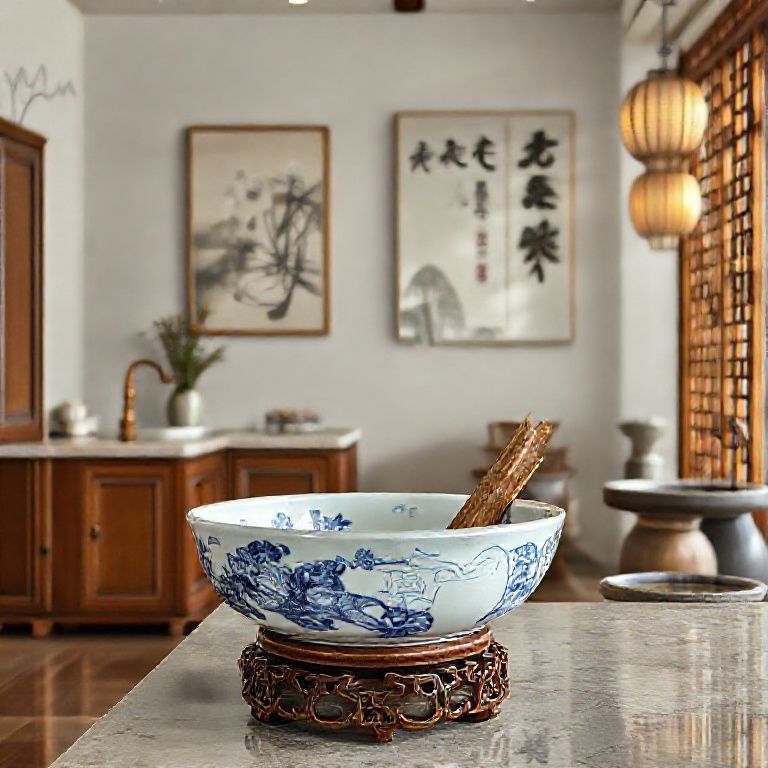
Appearance: Engineered Marble: Exhibits a consistent and uniform appearance with precise color matching. The patterns and veins are typically more uniform compared to natural marble. Natural Marble: Displays unique, one-of-a-kind patterns and colors. The natural veins and variations make each piece distinct and special. Durability: Engineered Marble: Highly durable and resistant to scratches, dents, and stains. It does not etch easily, making it a practical choice for high-traffic areas. Natural Marble: While beautiful, natural marble is more prone to scratches, stains, and etching. It requires regular sealing to maintain its appearance and longevity. Weight: Engineered Marble: Typically lighter than natural marble due to the composite nature of the material. This can make it easier to transport and install. Natural Marble: Heavier and denser, making it more challenging to move and install but also more robust. Cost: Engineered Marble: Generally more affordable than natural marble. The uniformity and ease of production reduce costs. Natural Marble: Tends to be more expensive due to its unique and natural characteristics, as well as the cost of sourcing and processing the raw stone.
Installation and Maintenance
The installation and maintenance processes for engineered and natural marble also differ significantly:
Installation:
Engineered Marble: Easy to install due to its lightweight and flat surface. It can be cut to size using standard tools and adhered to various substrates with ease. Natural Marble: Requires professional expertise for installation due to its weight and the need for precise cutting and fitting. It often requires a more robust installation process to ensure stability and longevity.
Maintenance:
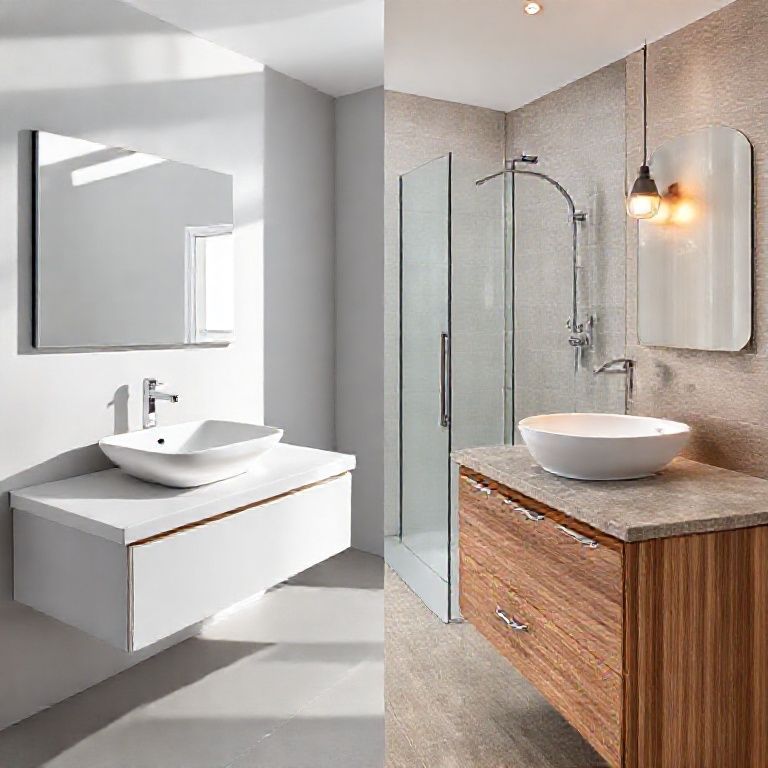
Engineered Marble: Requires minimal maintenance. Regular cleaning with mild soap and water is usually sufficient to keep the surface looking pristine. However, it is important to avoid using abrasive cleaners that could scratch the surface. Natural Marble: Needs regular sealing to protect against stains and etching. It should be cleaned with specialized marble cleaners and, when necessary, sealed with high-quality products to maintain its beauty and durability.
Environmental and Sustainability Considerations
Both engineered and natural marble have different environmental footprints and sustainability factors:
Engineered Marble:
Environmental Impact: The production of engineered marble involves the use of synthetic materials, which can raise concerns about environmental impact. However, advancements in manufacturing have led to more eco-friendly processes. Sustainability: As a composite material, engineered marble is often more sustainable than natural marble due to its ability to use recycled marble dust, thus reducing waste.
Natural Marble:
Environmental Impact: The extraction and processing of natural marble can have significant environmental impacts, including habitat disruption and carbon footprint. Sustainability: While natural marble is a non-renewable resource, responsible sourcing and quarrying practices can mitigate some of these impacts.
Conclusion
Choosing between engineered marble and natural marble involves weighing various factors, including appearance, durability, maintenance, cost, and environmental impact. Engineered marble offers a modern, durable, and cost-effective alternative to natural marble, while natural marble provides a unique, authentic, and aesthetically pleasing option. Understanding these differences can help you make a well-informed decision that meets your specific needs and enhances the beauty of your space.
Engineered Marble vs. Natural Marble: Detailed Comparison for Your Next Project
As you delve deeper into the world of marble, it’s essential to understand the specific applications, advantages, and ideal uses for both engineered and natural marble. This detailed comparison will help you determine the best choice for your next renovation project, ensuring both aesthetic and functional excellence.
Applications and Uses
Engineered Marble:
Engineered marble is highly versatile and can be used in various applications due to its durability and ease of installation. Here are some common uses:
Countertops: Engineered marble is a popular choice for kitchen and bathroom countertops. Its durability and resistance to scratches and stains make it ideal for high-traffic areas. Flooring: While less common, engineered marble can be used for flooring in low-traffic areas. Its lightweight and uniform appearance make it a practical option for interior flooring. Wall Cladding: Engineered marble can be used for wall cladding to add elegance and a touch of luxury to interior spaces. Its uniformity and ease of installation make it a suitable choice for this purpose. Backsplashes: Ideal for kitchen backsplashes, engineered marble offers a beautiful and durable surface that is easy to maintain.
Natural Marble:
Natural marble’s unique and authentic beauty makes it perfect for specific applications that emphasize its natural characteristics:
Architecture: Natural marble is often used in architectural features such as columns, facades, and public spaces. Its natural beauty and historical significance add a timeless elegance to any design. Interior Design: In interior design, natural marble is frequently used for countertops, flooring, and decorative elements. Its unique patterns and colors make it a standout choice for high-end projects. Furniture: Natural marble is sometimes used in the construction of furniture, particularly for tabletops and decorative pieces. Its beauty and durability make it a premium choice for bespoke items.
Advantages of Engineered Marble
Engineered marble offers several distinct advantages that make it a compelling choice for many projects:
Durability: Engineered marble is highly resistant to scratches, dents, and stains. Its top layer of marble dust ensures that it does not etch easily, making it an excellent option for areas prone to wear and tear. Consistency: The manufacturing process ensures a consistent appearance and quality across all slabs. This uniformity makes it easier to match colors and patterns in larger installations. Cost-Effectiveness: Engineered marble is generally more affordable than natural marble, offering a high-quality alternative without the premium price tag. Ease of Installation: The lightweight nature and flat surface of engineered marble make it easy to cut, install, and adhere to various substrates.
Advantages of Natural Marble
Natural marble’s unique and authentic beauty provides several advantages that appeal to those who value individuality and historical significance:
Aesthetic Appeal: The natural veins and patterns of natural marble offer a one-of-a-kind appearance that cannot be replicated. Its beauty and authenticity make it a standout choice for high-end projects. Historical Significance: Natural marble has been used in architecture and design for centuries. Its historical significance adds a timeless elegance and charm to any spaceAdvantages of Natural Marble (continued): Durability (to an extent): While natural marble requires regular sealing to protect against stains and etching, it is inherently strong and has been used for centuries in historical structures. Properly maintained, it can offer long-lasting beauty and durability. Versatility: Natural marble can be used in a wide range of applications, from countertops and flooring to architectural features and furniture. Its versatility allows for creative and unique design possibilities.
Choosing the Right Marble for Your Project
When deciding between engineered and natural marble, consider the following factors to make an informed choice:
Functionality: If durability and resistance to scratches and stains are paramount, engineered marble is the better choice. It is ideal for high-traffic areas where maintenance is a concern. For areas where appearance and authenticity are more important, natural marble offers a unique and beautiful option that can add significant aesthetic value to your space. Budget: Engineered marble is generally more cost-effective, making it a practical choice for those on a budget. It provides a high-quality alternative to natural marble without the premium price. Natural marble, while more expensive, can justify its cost through its unique beauty and historical significance, especially in high-end or design-focused projects. Maintenance: Engineered marble requires minimal maintenance, needing only regular cleaning with mild soap and water. It does not etch easily, making it a low-maintenance option. Natural marble requires regular sealing to protect against stains and etching, which can be a more time-consuming and costly maintenance process. Installation: Engineered marble is easier to install due to its lightweight and flat surface. It can be cut to size using standard tools and adhered to various substrates with ease. Natural marble, due to its weight and the need for precise cutting and fitting, requires professional expertise for installation.
Trends in Marble Use
The use of marble in interior and exterior design continues to evolve, with both engineered and natural marble playing significant roles in modern trends:
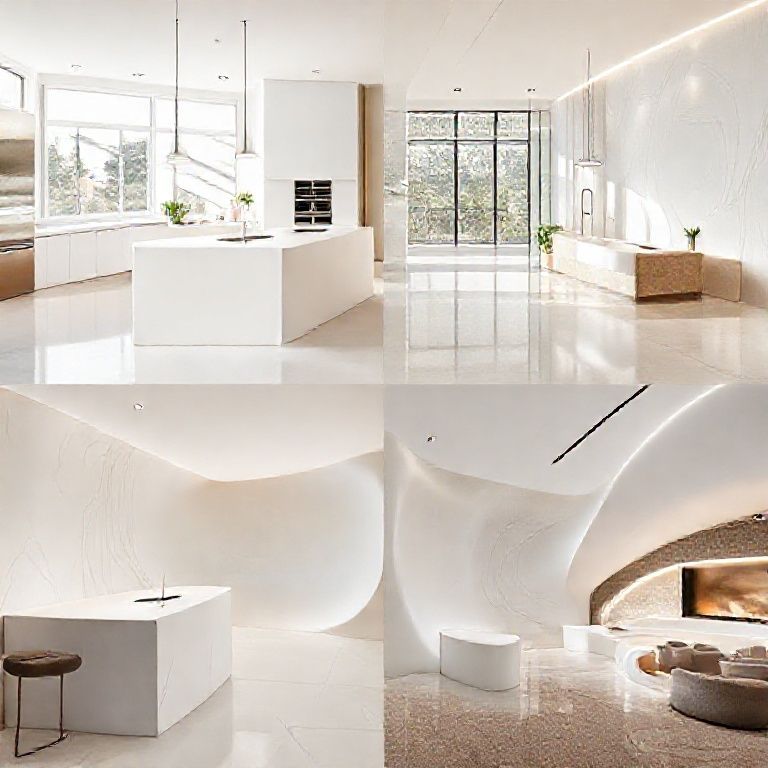
Minimalism: Engineered marble’s clean, uniform appearance aligns well with minimalist design trends. Its consistency and ease of maintenance make it ideal for sleek, modern spaces. Eclectic and Vintage Styles: Natural marble’s unique patterns and historical significance make it a popular choice for eclectic and vintage-inspired designs. Its authenticity adds character and depth to such styles. Sustainable Design: With a growing emphasis on sustainability, engineered marble’s ability to use recycled marble dust and its overall durability make it an eco-friendly choice. Natural marble’s historical use and the potential for responsible sourcing can also align with sustainable design principles.
Conclusion
Choosing between engineered and natural marble ultimately depends on your specific project needs, aesthetic preferences, and budget considerations. Engineered marble offers durability, consistency, and cost-effectiveness, making it ideal for functional and modern spaces. Natural marble’s unique beauty and historical significance provide unmatched aesthetic value, making it perfect for design-focused and high-end projects.
By understanding the unique characteristics and advantages of each type of marble, you can make an informed decision that enhances the beauty and functionality of your space. Whether you opt for the modern elegance of engineered marble or the timeless charm of natural marble, both have the potential to elevate your design project to new heights.