The heart of any home isn’t just the kitchen; it’s the horizontal surface where life actually happens. Whether you’re rolling out pastry dough for a Sunday brunch, helping your kids with a science project, or simply resting your wine glass after a long day at the office, the countertop is the silent witness to your daily narrative. In the quest for the perfect balance between high-end aesthetics and “life-proof” durability, one material has risen above the rest: artificial stone. If you’ve been searching for a “comprehensive collection of pictures and videos” to decide whether this material is right for your home, you’re in the right place.

Artificial stone, often referred to as engineered stone or quartz, has undergone a massive evolution over the last decade. Gone are the days when man-made materials looked like cheap plastic imitations of the real thing. Today, the technology behind these surfaces allows for a level of artistry that often surpasses what nature can provide. Imagine the deep, moody veining of a rare Italian marble combined with a surface that doesn’t stain when you accidentally spill lemon juice or red wine. That is the promise of artificial stone.
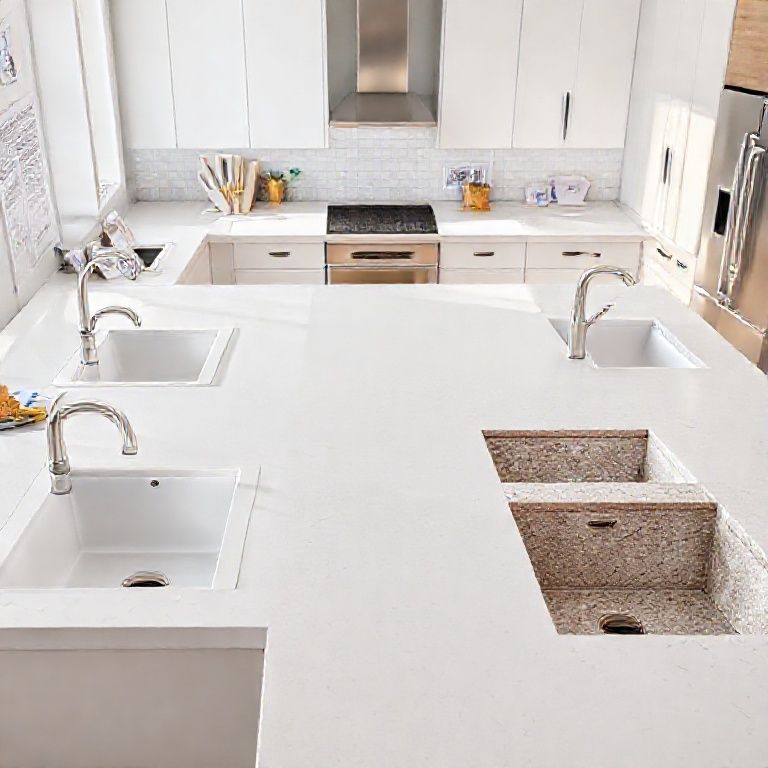
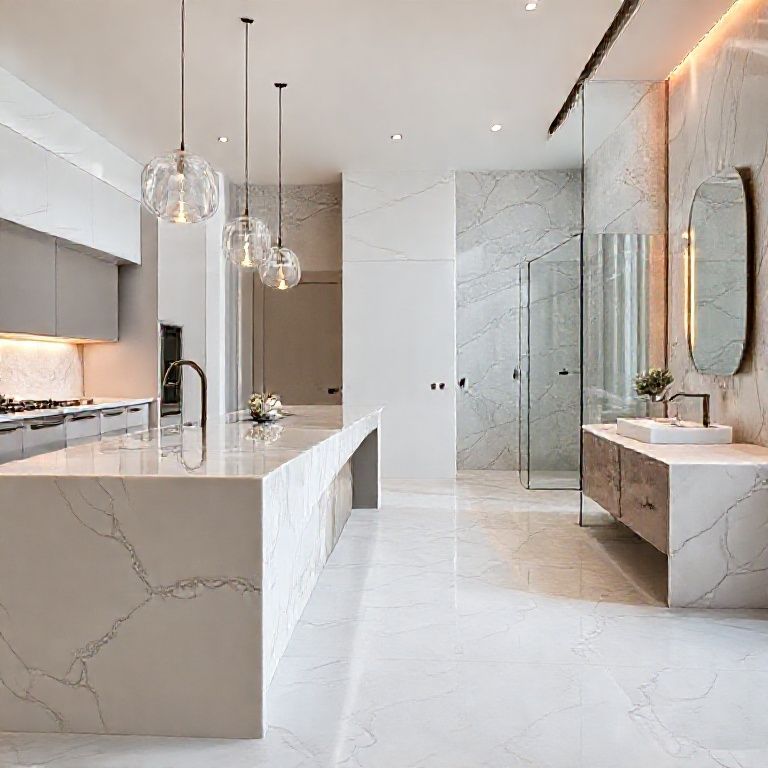
When you look through galleries of modern interior design, you’ll notice a trend toward seamlessness. This is where artificial stone truly shines. Unlike natural granite or marble, which come in limited slab sizes and often require visible seams, engineered materials can be fabricated to create a monolithic look. Imagine a kitchen island that looks like a single, solid block of stone, or a bathroom vanity where the sink flows directly out of the countertop without a single crack or crevice for grime to hide. It’t not just about looking good; it’s about a design language that speaks to modern minimalism and hygiene.
The “wow” factor of artificial stone is best captured through video tours of high-end showrooms. In these videos, you can see how light interacts with the surface. Because manufacturers can control the composition, they can add subtle shimmers, mirror chips, or even matte textures that feel soft to the touch—something the industry calls a “leathered finish.” This tactile experience is a major reason why people are moving away from the cold, clinical feel of polished natural stone toward the “warmer” feel of high-quality composites.
But let’s get into the “why” beyond the beauty. Why is everyone searching for artificial stone images and videos? Because the material offers a sense of creative freedom that is virtually limitless. With natural stone, you are at the mercy of whatever the earth produced in a specific quarry. If you find a slab you love, you have to hope there’s enough of it for your entire project. With artificial stone, consistency is guaranteed. If you decide to expand your kitchen two years from now, you can order the exact same color and pattern, ensuring a cohesive look that won’t be interrupted by variations in mineral deposits.
Furthermore, the structural integrity of these surfaces is a marvel of modern engineering. Typically composed of about 90-94% crushed natural quartz mixed with high-quality resins and pigments, these countertops are incredibly dense. In practical terms, this means they are non-porous. Natural stones like marble and granite have tiny microscopic pores that act like sponges, soaking up oils and bacteria if they aren’t sealed perfectly every few months. Artificial stone eliminates that chore. You get the look of luxury without the “maintenance anxiety” that usually comes with it.
Think about the way we use our kitchens today. They aren’t just for cooking; they are social hubs. We want surfaces that can handle the heat of the moment—literally and figuratively. While it’s always wise to use a trivet, artificial stone is designed to be incredibly tough against scratches and impacts. In video demonstrations, you’ll often see professionals trying to scratch the surface with keys or coins to prove its resilience. It’s this peace of mind that makes the investment feel justified.
As you browse through the “picture and video collections,” pay close attention to the edge profiles. This is a subtle detail that many homeowners overlook but one that defines the entire vibe of the room. Because artificial stone is so workable, you can choose from sleek “waterfall” edges that drop straight to the floor, classic beveled edges for a more traditional look, or even “shark nose” edges that make the countertop appear to be floating. The flexibility in fabrication means that your countertop isn’t just a utility; it’s a custom piece of furniture tailored to your specific taste.
In the next part of this guide, we’ll dive deeper into the color palettes currently trending in the world of artificial stone and explore how to choose the right supplier to ensure your “dream kitchen” doesn’t turn into a logistical nightmare. We’ll also look at the long-term value and why choosing this material might be the smartest financial move you make for your home’s resale value.
Continuing our deep dive into the world of artificial stone, let’s talk about the incredible spectrum of color and texture that has revolutionized home interiors. When you look at high-definition image galleries of recent renovations, you’ll see that the “all-white kitchen” is evolving. While crisp, white quartz remains a bestseller for its ability to make a space feel airy and clean, we are seeing a surge in “industrial chic” aesthetics. This involves artificial stones that mimic the look of poured concrete or rusted metal but without the porousness, cracking, or staining issues associated with the real materials.
If you’re someone who loves the look of a dark, moody kitchen, artificial stone offers deep charcoals, midnight blacks, and forest greens that maintain their color depth over time. In many video showcases, designers highlight how these dark surfaces can be paired with integrated LED lighting under the cabinets to create a sophisticated, lounge-like atmosphere. The ability to control the pigment means that these colors are “true”—you won’t find the unexpected orange or yellow flecks that sometimes appear in natural dark granites.
A major advantage that often gets highlighted in “before and after” videos is the seamless integration of sinks and backsplashes. Many artificial stone brands offer “solid surface” options (a type of artificial stone made from acrylic or polyester resins) that can be chemically bonded. This creates a transition between the countertop and the sink that is literally invisible. No caulk, no seams, no place for mold to grow. From a hygiene perspective, this is the gold standard. For anyone who has ever spent an afternoon scrubbing the gunk from the edge of an undermount sink, the appeal of a seamless artificial stone setup is immediate.
Now, let’s talk about the decision-making process. When you’re looking at “picture and video collections” online, it’s easy to get overwhelmed. The trick is to look for “real-world” lighting. Showroom videos are great for seeing the potential, but look for videos of artificial stone in actual homes. See how the “Calacatta Gold” quartz looks when the afternoon sun hits it through a window. Notice how a matte grey surface handles fingerprints in a kitchen used by a family with three kids. These nuances are what help you decide if a specific finish is right for your lifestyle.
One aspect that makes artificial stone a favorite among architects is its versatility beyond the kitchen. We are seeing it used as fireplace surrounds, floating shelving, and even large-format wall cladding in showers. Because the material is lighter and easier to cut than massive slabs of natural stone, it opens up a world of vertical design possibilities. Imagine your bathroom walls matching your vanity top perfectly, creating a spa-like sanctuary that feels cohesive and expensive.
Cost is, of course, a significant factor in any renovation. While artificial stone can sometimes carry a higher price tag than low-grade granite, it’s helpful to view it through the lens of long-term value. When you factor in the lack of professional sealing treatments required over the years, the resistance to expensive repairs from cracks or stains, and the timeless appeal it adds to your home, the “cost per year” often ends up being lower than almost any other premium material. It’s an investment in your quality of life and your home’s equity. Real estate experts often note that a high-quality quartz countertop is one of the top features that help a home sell faster and for a higher price.
Eco-conscious homeowners will also be pleased to know that many manufacturers are leaning into sustainable practices. Some lines of artificial stone are made using recycled glass, mirrors, and porcelain, diverting waste from landfills while creating a stunning, “terrazzo-style” aesthetic. When you watch videos detailing the manufacturing process, you’ll see how these companies are increasingly focusing on water recycling and low-emission production methods, making it a choice you can feel good about.
So, is artificial stone good for countertops? The answer, reflected in the millions of stunning photos and videos across design platforms, is a resounding yes. It represents the pinnacle of “form meets function.” It allows you to be an artist in your own home, choosing patterns and colors that reflect your personality without being tethered to the high-maintenance demands of natural stone.
As you move forward with your project, my advice is to order samples. Photos and videos are the perfect starting point to narrow down your style, but holding a piece of the material in your hand—feeling its weight, its coolness, and its texture—is the final step in the journey. Whether you go for a classic marble-look quartz or a bold, contemporary solid surface, artificial stone provides a foundation for your home that is as enduring as it is beautiful. It’s not just a countertop; it’s the stage upon which your home life plays out, and it deserves to be nothing less than spectacular. Explore the galleries, watch the fabrication videos, and get ready to transform your space into something truly extraordinary.