Introduction to Artificial Stone Countertops
Artificial stone countertops have revolutionized modern kitchen and bathroom designs, blending the aesthetic appeal of natural stone with the durability and low maintenance of synthetic materials. These countertops are crafted from a mixture of natural minerals, resins, and pigments, resulting in a surface that mimics the look of granite or marble while offering unmatched resilience. However, despite their robustness, artificial stone surfaces can still accumulate stains over time. Knowing how to properly clean these surfaces is essential to maintaining their pristine appearance.

Understanding Stains on Artificial Stone
Stains on artificial stone countertops can vary in origin, ranging from food and drink residues to hard water spots and chemical spills. Understanding the nature of these stains is crucial for selecting the appropriate cleaning method. For instance, organic stains such as coffee or red wine may require different treatments compared to mineral-based stains like lime scale.
Basic Cleaning Techniques
Before diving into more specialized stain removal techniques, it’s essential to maintain a regular cleaning routine. Here’s a simple guide to basic cleaning:
Daily Maintenance: Wipe down your artificial stone countertop with a soft, damp cloth and mild soap after each use. Avoid using abrasive cleaners or sponges that can scratch the surface.
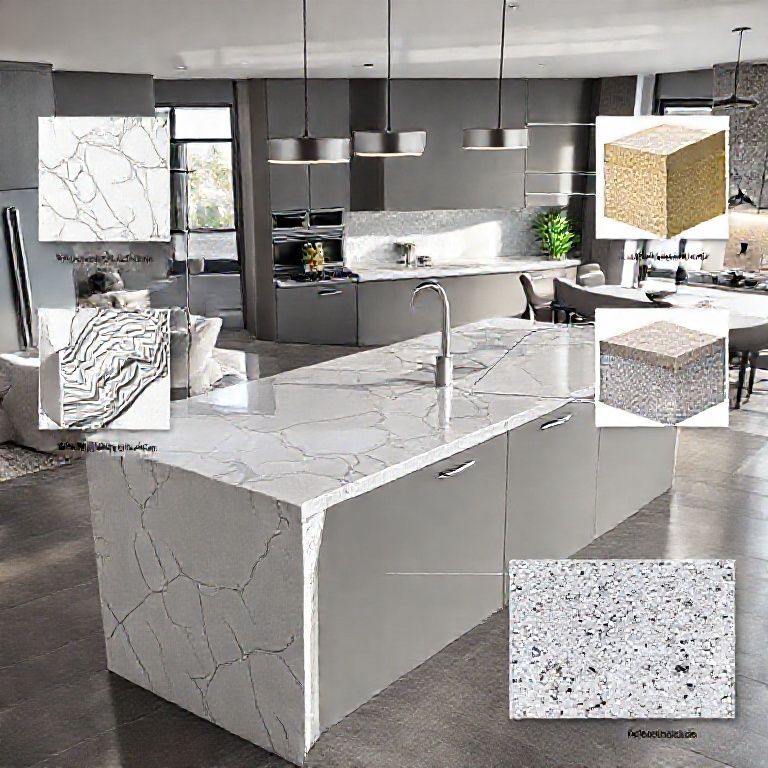
Neutral Cleaners: Opt for pH-neutral cleaners that won’t harm the integrity of the stone. Commercially available stone countertop cleaners are often formulated specifically for these surfaces.
Immediate Action: Address spills immediately to prevent stains from setting in. Blot, don’t scrub, to minimize surface damage.
Advanced Stain Removal Techniques
For tougher stains, several advanced techniques can be employed to restore the beauty of your artificial stone countertop. Here’s a detailed look at some effective methods:
Baking Soda Paste:
Ingredients: Baking soda, water Method: Mix baking soda with water to form a thick paste. Apply the paste to the stained area and gently scrub with a soft cloth or non-abrasive sponge. Rinse thoroughly with clean water and dry with a soft cloth. Benefits: Baking soda is a natural abrasive that helps lift stains without scratching the surface.
Vinegar and Hydrogen Peroxide:
Ingredients: White vinegar, hydrogen peroxide, dish soap Method: Combine equal parts vinegar and hydrogen peroxide in a spray bottle. Lightly mist the stained area and let it sit for a few minutes. Wipe with a clean cloth and rinse thoroughly. For stubborn stains, add a few drops of dish soap to the mixture to enhance cleaning power. Benefits: The acidic nature of vinegar helps break down organic stains, while hydrogen peroxide acts as an oxidizer to lift discoloration.
Commercial Stone Cleaners:
Method: Follow the manufacturer’s instructions for application. Typically, you’ll need to apply the cleaner to a damp cloth and gently wipe the surface. Rinse thoroughly and dry with a clean towel. Benefits: These cleaners are specifically designed to maintain and restore the appearance of artificial stone without causing damage.
Preventive Measures
Preventative care is key to avoiding future stains. Here are some tips to keep your artificial stone countertop looking its best:
Use Coasters and Placemats: Protect your countertop from heat and spills by using coasters for drinks and placemats for food.
Immediate Cleaning: Clean up spills immediately to prevent stains from setting in.
Avoid Abrasive Cleaners: Stick to non-abrasive cleaning products to maintain the surface’s integrity.
Regular Maintenance: Regularly clean and maintain your countertop with mild soap and water to prevent the buildup of grime and stains.
Conclusion
Maintaining the beauty of your artificial stone countertop requires regular cleaning and the right techniques for stain removal. By following the basic and advanced cleaning methods outlined in this guide, you can keep your countertop looking pristine and extend its lifespan. Remember, immediate action is crucial in stain removal to prevent permanent damage. Stay tuned for part two, where we delve deeper into specific stain removal scenarios and offer a detailed video tutorial to further enhance your cleaning skills.
In-Depth Stain Removal Scenarios and Video Tutorial
Introduction to Specific Stain Removal
In the previous part, we covered the basics of cleaning and maintaining artificial stone countertops. Now, let’s delve deeper into specific stain removal scenarios. Each type of stain may require a tailored approach to ensure effective cleaning without damaging the surface. Here’s an in-depth look at some common stain types and the best methods to remove them.
1. Coffee and Tea Stains
Coffee and tea are rich in tannins, which can leave brown or black stains on artificial stone. Here’s how to tackle these stubborn stains:
Baking Soda Paste: Apply the baking soda and water paste to the stained area, let it sit for 15-20 minutes, then scrub gently with a non-abrasive sponge. Rinse thoroughly and dry with a clean cloth. Vinegar and Hydrogen Peroxide: Mix equal parts vinegar and hydrogen peroxide, apply to the stain, and let it sit for 10 minutes. Scrub gently, rinse, and dry.
2. Red Wine Stains
Red wine contains tannins and acids that can leave red or brown stains. Here’s how to address them:
Salt and Water Solution: Sprinkle salt over the stain and apply a mixture of water and dish soap. Let it sit for 15-20 minutes, then scrub gently with a sponge. Rinse and dry. Hydrogen Peroxide: Apply hydrogen peroxide directly to the stain and let it sit for 10 minutes. Gently scrub with a non-abrasive sponge, rinse, and dry.
3. Grease and Oil Stains
Grease and oil can penetrate the surface of artificial stone, leaving greasy marks. Here’s how to clean them:
Dish Soap and Baking Soda: Mix dish soap with baking soda to form a paste. Apply to the stain, let it sit for 30 minutes, then scrub gently with a sponge. Rinse and dry. Commercial Stone Cleaners: Use a commercial stone cleaner as directed by the manufacturer to break down grease and oil residues.
4. Water Spots and Hard Water Stains
Water spots and hard water stains are common on artificial stone and can be removed with these methods:
White Vinegar: Spray white vinegar directly on the water spots and let it sit for 10 minutes. Wipe clean with a soft cloth, rinse, and dry. Commercial Stone Cleaners: Apply a stone cleaner specifically formulated to remove water spots and hard water stains.
Video Tutorial: Step-by-Step Stain Removal
To provide a visual and engaging approach to cleaning your artificial stone countertop, we’ve created a detailed video tutorial. In this video, you’ll see step-by-step instructions on how to effectively remove various stains from your countertop using the methods discussed. Here’s what you can expect to learn:
Introduction to the Video: An overview of the different types of stains and the importance of using the right cleaning techniques. Basic Cleaning Routine: Demonstration of the daily maintenance routine to keep your countertop looking its best. Stain Removal Techniques: Detailed walkthroughs of the various stain removal methods, including baking soda paste, vinegar and hydrogen peroxide, and commercial stone cleaners. Preventive Measures: Tips on how to prevent stains from forming in the first place. Final Touches: How to finish cleaning and maintaining your countertop to ensure long-lasting beauty.
Watch the Video Here
[Insert link to the video tutorial]
Conclusion
Mastering the art of cleaning stains from artificial stone countertops is essential for maintaining their beauty and longevity. By understanding the nature of different stains and employing the right cleaning techniques, you can keep your countertop looking pristine. Regular maintenance and immediate action are key to preventing and removing stains effectively. We hope this guide and our detailed video tutorial have provided you with valuable insights and practical tips to keep your artificial stone countertop in top condition. Stay tuned for more home cleaning tips and tricks in our upcoming articles.
Call to Action
If you found this guide helpful, don’t forget to share it with friends and family who might benefit from these cleaning tips. Also, be sure to watch our video tutorial for a visual guide to stain removal. For more information and additional cleaning solutions, visit our website or follow us on social media. Happy cleaning!